
Last updated November 20, 2026
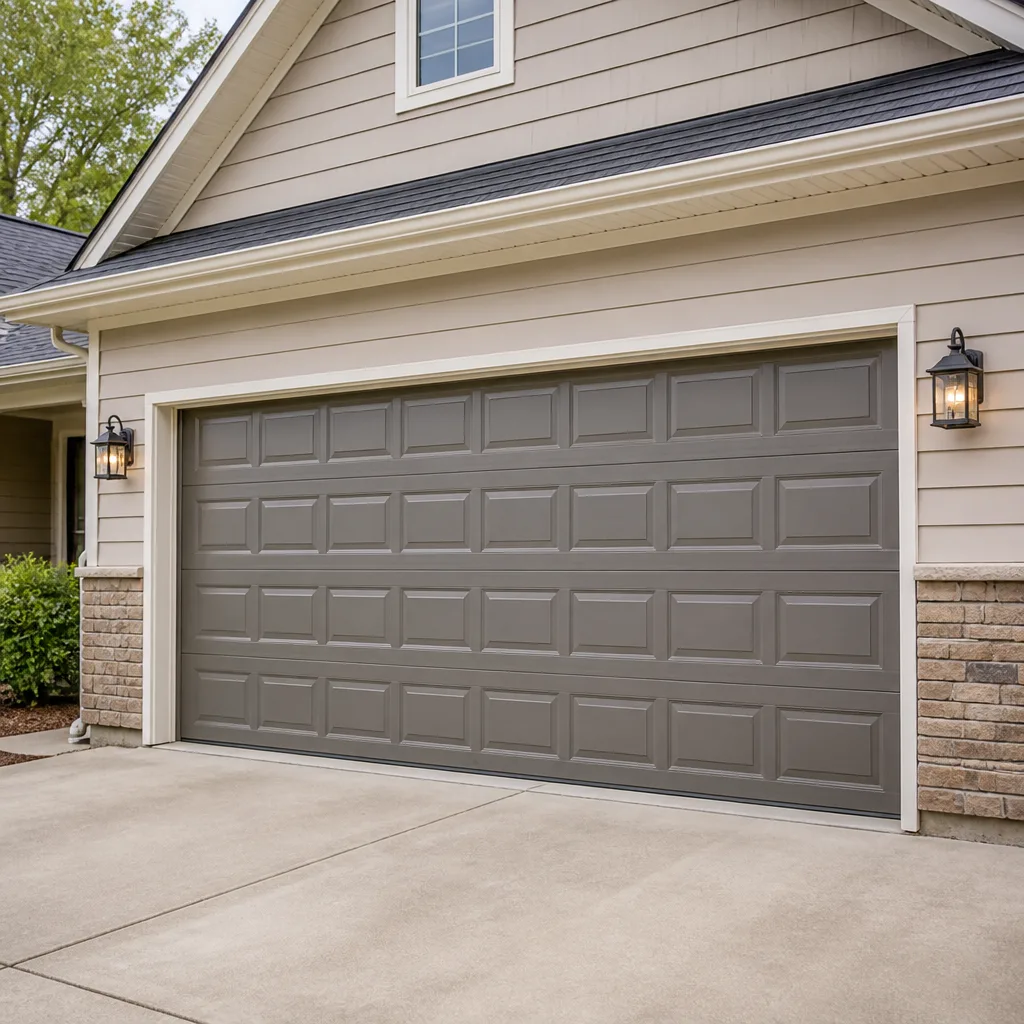 Raised-panel steel
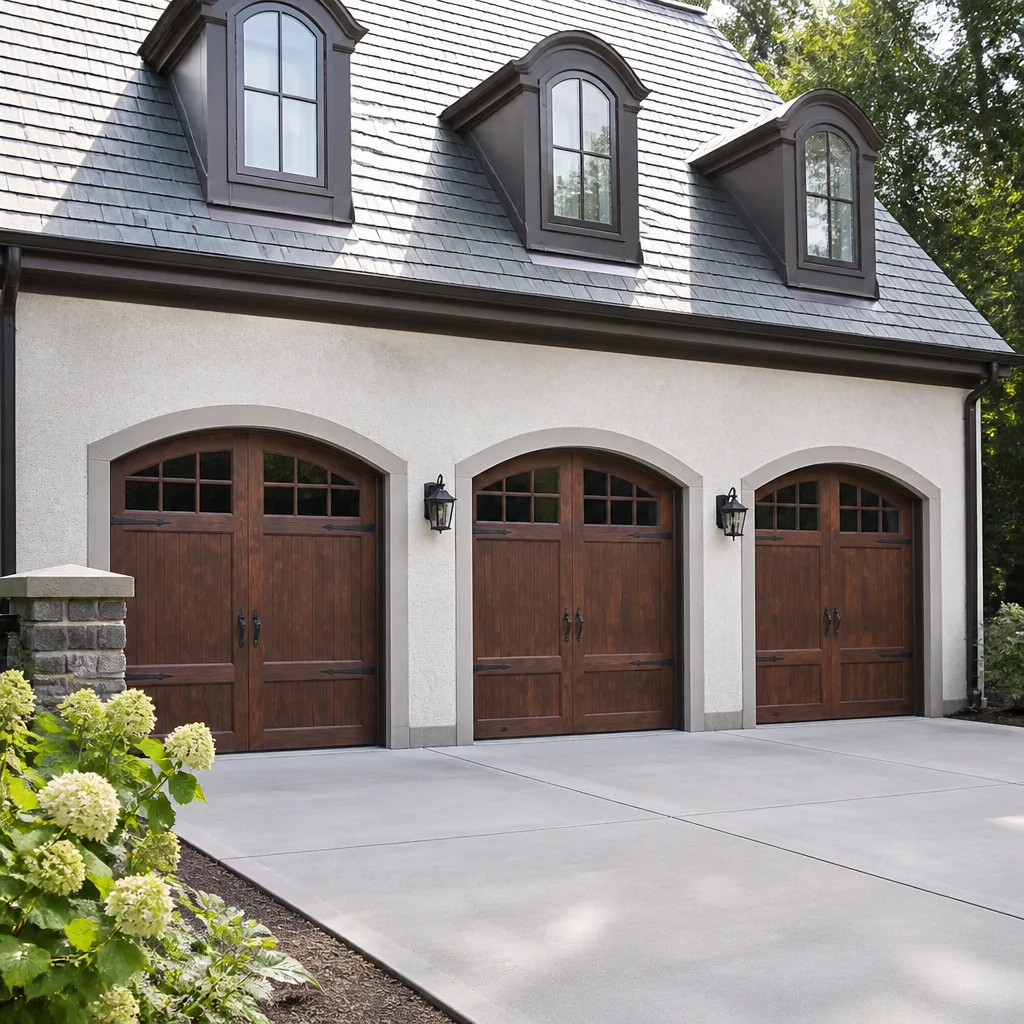 Carriage house
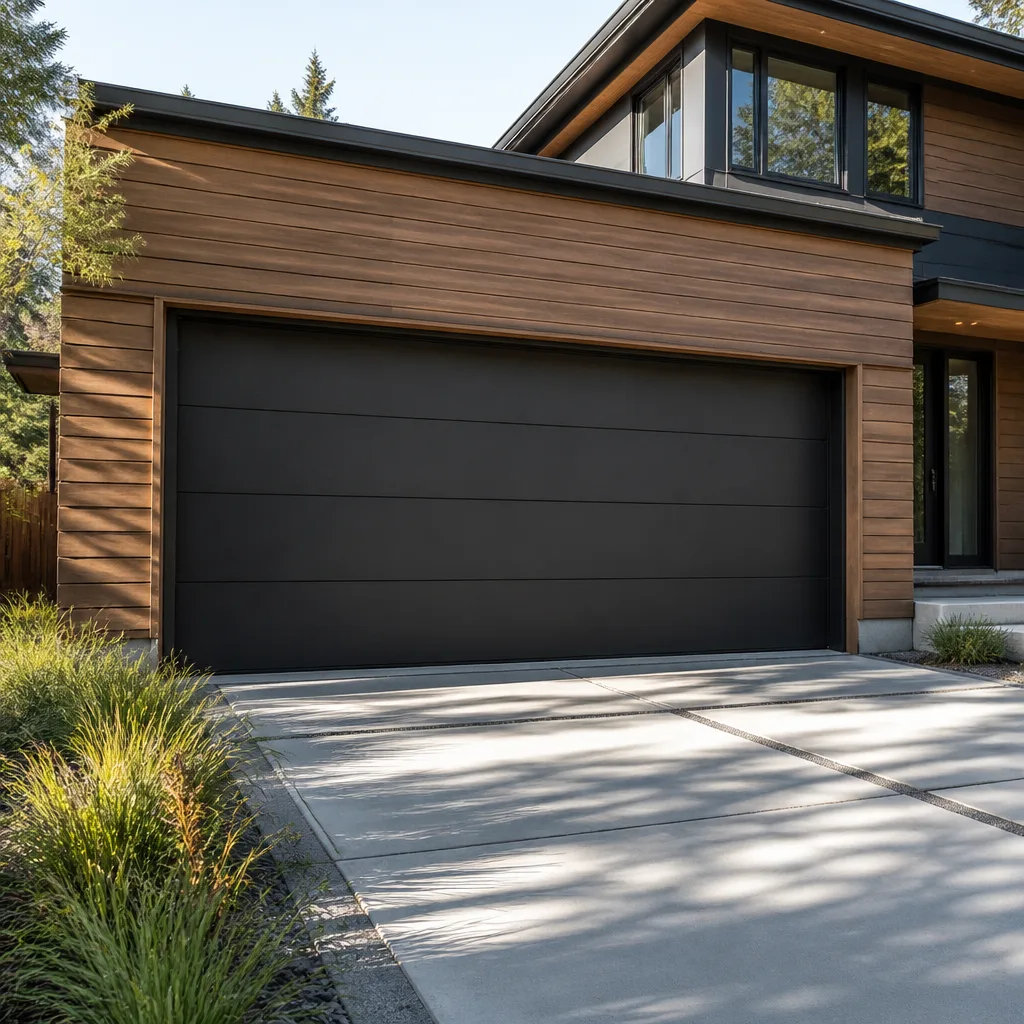 Modern flush
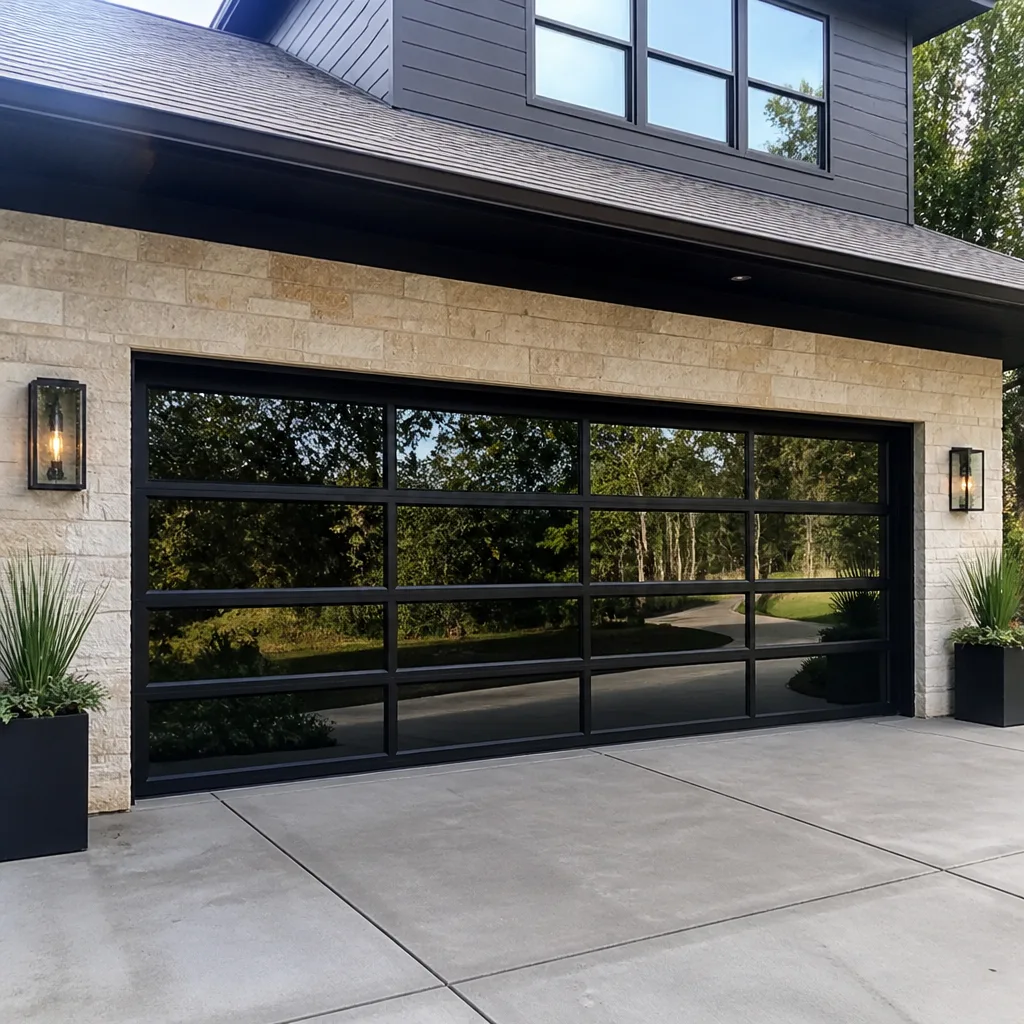 Full-view glass
 LiftMaster openers
 Chamberlain openers
Full 25-point door and opener safety check with every visit - springs, cables, rollers, tracks, and your LiftMaster or Chamberlain opener included
You get a price before we start. It does not change when the pro arrives.
Get your free estimateGarage Door Permits, Codes & Inspections in Bedford Park, NY: What You Need to Know
A new garage door is one of the most common unpermitted home improvements in New York, and one of the first things a buyer’s inspector will flag. Plenty of Bedford Park homeowners assume a door swap is like replacing a faucet: buy it, install it, done. That assumption is where trouble starts. Depending on what you’re changing, the work can fall under New York State building code and local municipal rules, and the paperwork matters later when you sell, refinance, or file a claim. This guide walks through when a permit is required and when it isn’t, what an inspection actually checks, who is responsible for pulling the permit, and what to do if work on your garage door was already done without one.
Quick Answer
In Bedford Park, NY, a straight replacement of a garage door or opener of the same size and type in the same opening usually does not require a building permit, but any change to the opening itself – widening it, adding a new one, or altering the structure around it – requires a permit worked out through the city’s building department before work begins. A licensed contractor can pull the permit, and the final inspection confirms the door, its tracks and its safety features meet code. If a contractor tells you that you never need a permit for a full replacement, ask them to explain why in writing, and verify with the building department yourself.
Styles & brands we work with
- Raised-panel steel
- Carriage house
- Modern flush
- Full-view glass
- LiftMaster openers
- Chamberlain openers
Table of Contents
- When does a garage door project need a permit in Bedford Park?
- When you probably don’t need a permit
- What New York State code actually covers
- What a garage door inspection actually involves
- How unpermitted work affects insurance claims
- Contractor vs. homeowner: who pulls the permit
- What to do if previous work was done without a permit
- Bedford Park housing and weather considerations
When does a garage door project need a permit in Bedford Park?
A permit is typically required when the garage door project goes beyond a straight replacement. That covers any change to the opening, the structure that frames it, or the building envelope around it. If the work is structural, it gets a permit. If it is a straight like-for-like swap, it usually does not.
The clearest triggers are:
- New garage door opening: cutting an opening into a wall that doesn’t currently have one always requires a permit. The header, lintel and framing changes affect how the wall carries load.
- Widening or raising an existing opening: changing the width or height of the opening means cutting into framing. That’s structural work and needs approval.
- Removing or relocating the door: if you’re converting a garage into living space and closing off the opening, that is a building alteration.
- Structural repairs around the opening: a damaged or rotted header, sagging framing or failed trim that needs to be rebuilt to spec is permit work.
- Adding or modifying electrical for a new opener on a new opening: a new circuit to power a new opener in a new location is electrical work, and electrical work is generally permitted.
The threshold under New York State building code and local municipal rules is essentially this: a replacement that keeps the opening’s dimensions and configuration is a maintenance and repair item that is not inspected. A change to the opening itself is construction that is inspected. The exact wording is local. Ask the city’s building department directly, describe what you’re planning in terms of the opening and structure, and get the answer in writing if you can. That prevents a surprise later when a buyer’s inspector or your own insurer asks what was done.
If your work is a straightforward swap and you want a crew who knows the city’s rules around it, the same team handles garage door repair and replacement on doors that don’t require permit work at all. They can tell you whether a project crosses the line into permitted territory before a wrench comes out.
When you probably don’t need a permit
Most garage door work in Bedford Park happens inside the “probably no permit” category. That includes the failures homeowners call about most often. If the door, springs, tracks and opener stay in the same place in the same opening, the work is treated as a repair or a replacement, not a construction project.
- Replacing a broken spring: a spring repair on the existing door doesn’t change the opening or the structure.
- Replacing an opener with the same size and type: a LiftMaster or Chamberlain opener swapped for a comparable unit on the same rail and same header is a service replacement, not an alteration.
- Replacing rollers, hinges, cables or tracks: these are maintenance items on the existing door and frame.
- Replacing a damaged door section: a single panel or two swapped for matching sections, staying within the same opening, is a replacement.
- Replacing the whole door with the same size and configuration: same width, same height, same headroom, same track setup. If nothing changes but the door itself, it typically doesn’t trigger a permit.
- Adjusting or lubricating the existing mechanism: the kind of routine servicing covered in our garage door opener repair work is not permit territory.
“Probably no permit” isn’t a license to skip a call. If the work involves anything structural, call the city’s building department and ask. The call takes minutes. The consequences of guessing wrong take longer to undo.
What New York State code actually covers
New York State building code sets the baseline rules for residential construction, and local municipalities adopt and administer them through their building departments. That matters for garage doors in a few places.
The code addresses structural requirements around openings. A door opening in an exterior wall needs to carry the load above it: a proper header, adequate framing, and connections that hold the load and transfer it correctly. This is the part most homeowner blogs skip. It’s also the reason a widening project needs a permit even when the new door itself is a standard size.
The code also addresses safety requirements for automated garage door openers. Modern openers must include an entrapment protection system, usually a photo-eye at the bottom of the opening plus a pressure-sensing mechanism. When you replace an outdated opener with a newer LiftMaster or Chamberlain unit, the new unit typically includes these features. Inspectors confirm they’re present and functioning. That’s one of the reasons a new opener on a new opening gets reviewed.
Bedford Park’s housing stock includes a lot of homes where the garage was built decades ago under older rules. If a door opening was modified at some point without a permit, the current framing may not match what today’s code expects. An inspection is how you find out. If you’re replacing the door anyway and want the framing checked at the same time, the crew that handles garage door installation can look at the opening while they’re there and tell you if anything looks off.
One thing that helps: our technicians have up to 11 years of experience working on doors in housing just like Bedford Park’s, from builder-grade Craftsman units to heavier Raynor doors, and they can spot structural problems that a surface-level install would hide.
What a garage door inspection actually involves
An inspection on a permitted garage door installation is a fairly specific walkthrough by the city’s building inspector. It’s not a general home inspection; it’s a code-compliance check on the work that was permitted. Most inspections take a half hour or less if the work is straightforward and nothing needs fixing.
Here’s what the inspector generally checks, in the order it happens:
- Pull the permit record: confirm the work matches what was approved. If the plans specified a particular door type, size or framing, the inspector verifies what was installed.
- Check the opening framing: headroom, side clearance, header condition, and whether the framing matches what the code permits for the opening size and load.
- Check the door installation: the tracks are plumb, the door runs without binding, and the door is properly attached to the framing.
- Verify the opener and entrapment protection: the opener is what was approved, the photo-eye is installed at the correct height and is wired and functioning, and the auto-reverse feature works when the door meets resistance.
- Check the balance: the door, disconnected from the opener, should stay put at roughly half-open. A door that slides down or climbs up is out of balance and fails.
- Confirm labeling and documentation: the door and opener should have their manufacturing labels and, in some cases, an installation manual. This is where brand-specific install paperwork helps.
- Reinspection if needed: small failures get a correction notice and a return visit. Larger issues may require a revised plan and a new permit cycle.
A homeowner doesn’t need to be on site for the inspection if the contractor is handling it, but being there yourself is worth the time. You learn what was approved and what got flagged, and you have a record of both. Ask for a copy of the inspection sign-off and file it with your closing documents. When you sell, that paper trail is the difference between a routine disclosure and a question you can’t answer.
How unpermitted work affects insurance claims
This is the part most homeowners don’t think about until it’s too late. Homeowner’s insurance covers damage from sudden events, not from faulty workmanship. If a garage door fails and causes damage to the house or to someone’s property, the way the claim gets handled depends on whether the work that caused the failure was done properly, permitted where required, and inspected.
Three scenarios show up in claims reviews:
- A door fails and damages something: a door that drops or swings off track because of a bad installation can damage a car, a wall, or someone standing near it. The insurer will ask when the door was installed and by whom. Unpermitted structural work on the opening is a documented red flag.
- A spring fails and a person is injured: if the failure is the result of improper spring work, that’s a workmanship issue. Claims involving injury usually get reviewed by the insurer’s subrogation department, which will look for who did the work and whether it was done under a permit.
- Storm or impact damage to an unpermitted door: the insurer will still cover the damage from the storm, but if the door or opening wasn’t to code, the repair claim may be adjusted. Some insurers will require you to bring the door to code as part of the repair, which means a permit and an inspection anyway.
The practical takeaway is that unpermitted garage door work doesn’t automatically void a policy, but it does complicate the claim. Insurers aren’t required to cover damage caused by faulty workmanship. If the work needed a permit and didn’t have one, expect additional scrutiny on the claim. If you’re not sure whether your door was permitted, the building department can tell you what’s on record.
Contractor vs. homeowner: who pulls the permit
In New York State, both a homeowner and a licensed contractor can pull a permit on residential work, but the responsibility for doing it correctly lands on the person who hires the work. That means you.
When a contractor says “you don’t need one,” you have two reasonable responses. Ask them to confirm it in writing with a reference to the local rule. Or call the city’s building department and describe the project yourself. The building department is free to call and usually willing to explain.
Some contractors won’t pull permits because they aren’t licensed to. In New York, licensing requirements vary by trade and municipality, and a general handyman is not the same as a licensed contractor. “Licensed and insured” is the phrase you want to see in writing before work starts, along with a certificate of insurance that names your property.
Two practical rules keep this simple:
- Put it in the contract: who pulls the permit, who schedules the inspection, who pays any permit fees, and what happens if the inspection fails. All four should be written into the agreement.
- Get a copy of the signed permit and inspection sign-off: keep it with your closing documents and with your insurance file. That’s your record that the work is compliant.
If you’re looking for a specialist who works on Bedford Park doors and knows the local rules, our team is set up for the whole lifecycle: repair, replacement, and installation. That starts at the beginning, with a call about what you’re planning and what it actually needs.
What to do if previous work was done without a permit
If you’ve discovered that work on your garage door was done without a permit, you have options. The right one depends on whether the work would have needed a permit, whether it’s still visible and compliant, and what stage of ownership you’re in.
Here’s how the retroactive path usually looks:
- Start with the record: call the building department and ask what permits exist for your address. If the door was replaced years ago under a previous owner, the permit may not have applied, or it may have been closed out correctly. Get the answer before you do anything else.
- Have the work inspected: if the work would have required a permit and didn’t have one, the building department can usually guide you through a retroactive review. That may involve an inspection of the existing work, a plan submission, or a new permit for correcting anything that doesn’t meet current code.
- Fix what fails: if the inspection turns up a structural problem at the opening, that gets corrected under a new permit. In practice, this sometimes means redoing part of the installation. That’s why the door installer should be a specialist and not a general handyman.
- Document the outcome: once the inspection is signed off, get copies of everything. A closing works the same as a claims file: the paper trail is the point.
If the work was a straight replacement of the door itself within the same opening and no permit was ever required, there’s nothing to fix. If the work changed the opening or the structure and no permit exists, expect to spend some time with the building department resolving it. That’s a much better conversation to have while you own the house than a buyer’s inspector having it for you.
Bedford Park housing and weather considerations
Bedford Park’s housing stock includes a mix of attached and detached garages, some of them original to the home and some added in later decades. That age matters for permit questions. A garage that was built under older rules may have framing that doesn’t match what today’s code expects, and that’s true whether or not a door replacement ever happened on it.
New York’s winters are the other factor. Freeze-thaw cycles put a particular strain on garage door hardware. Springs work harder in cold weather, and the metal fatigues faster. Doors that sit flush against unheated garages see more condensation on their tracks and hinges. That’s why the failure that finally prompts a replacement is often the second or third in a short span. When that happens, the door replacement itself is usually a straight swap, which means most Bedford Park door replacements don’t cross the permit threshold. But an opener upgrade combined with a door replacement is the scenario where more homeowners end up talking to the building department.
Neighborhood layout matters for one more reason. Bedford Park’s lots tend to be narrow, which means attached garages or garages that share a wall with a neighbor. If you’re adding a garage door opening or widening one, the structural changes affect the shared wall, and that’s a permit question even before the door is ordered. If your garage is attached and a spring or opener failure has left you without a working door, an emergency call to Garage Door Repair Bedford Park gets you the immediate fix. We answer 24/7, with fast dispatch from 7am to 7pm, so you’re not stuck waiting while the door sits open.
Most services on Bedford Park doors, including spring repair and opener repair, don’t need a permit at all. When the project moves into structural territory, the door installer should be the one telling you so. If they aren’t, that’s a sign to ask.
Common Mistakes to Avoid
- Assuming a full replacement always needs a permit: it usually doesn’t, as long as the opening stays the same. But a wider opening does. Get the specifics right before you assume either direction.
- Assuming a full replacement never needs a permit: the opposite mistake, and just as costly. If the project touches the framing, get the building department involved.
- Skipping the building department call because “the installer knows”: a general handyman may not know local permit rules at all. The call to the department is free and takes minutes.
- Replacing a door without telling your insurer: most homeowner policies don’t need advance notice of a repair, but structural changes to the opening should be discussed. Some insurers require updates for major alterations.
- Not keeping permit and inspection paperwork: file the signed permits, approvals and inspection sign-offs with your closing documents. If you sell, the buyer’s inspector will ask for them.
- Hiding an unpermitted change from a buyer: disclosure requirements in New York mean unpermitted work usually comes out during the transaction. Better to resolve it before you list.
- Hiring a contractor who won’t put permit responsibility in writing: the contract should say who pulls the permit and who schedules inspection. Verbal promises don’t hold up.
See the difference
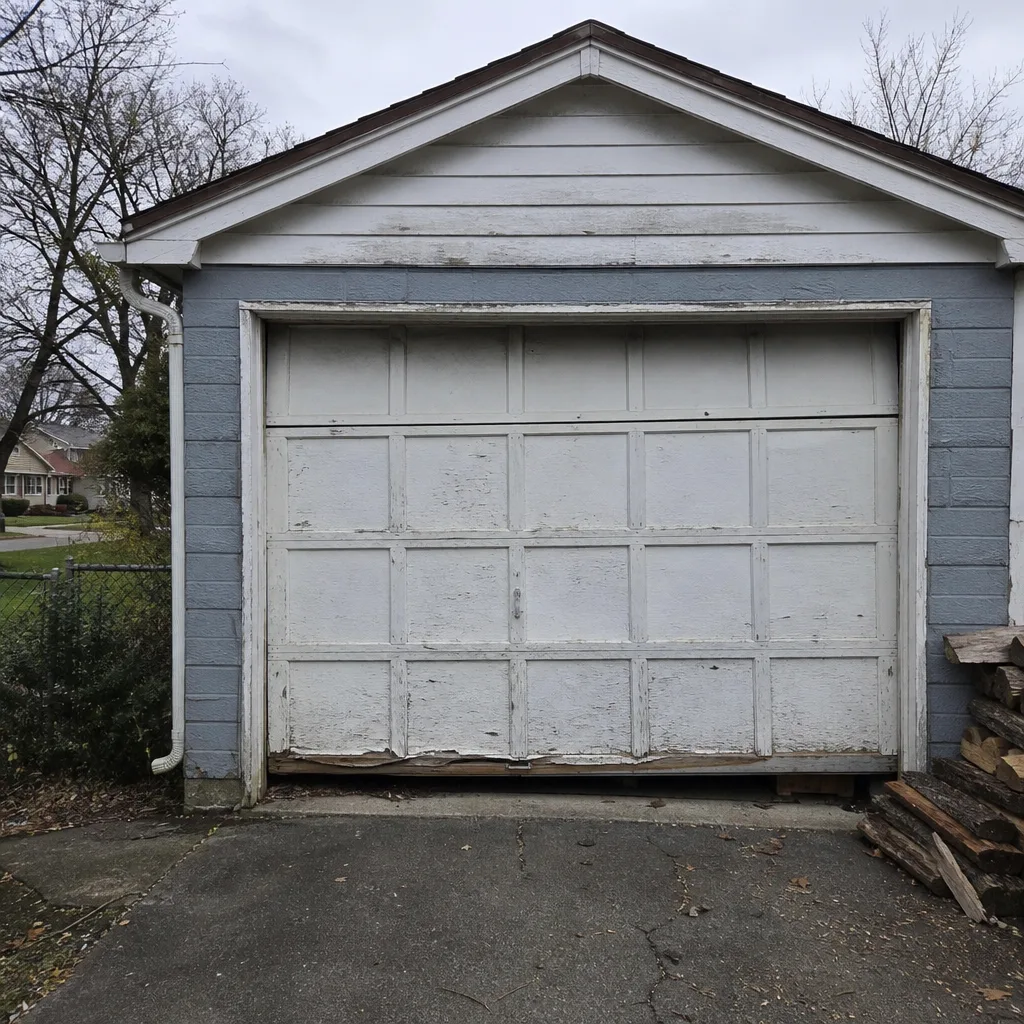 Before
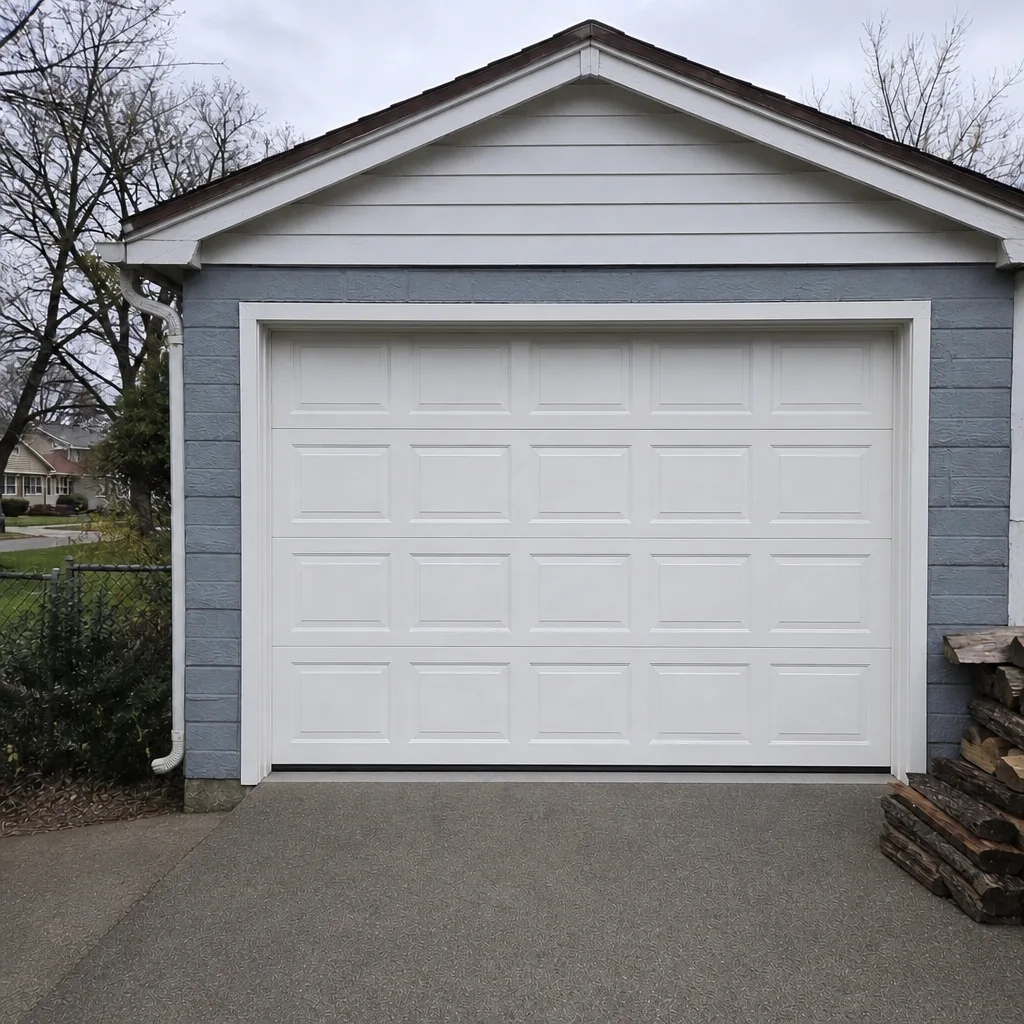 After
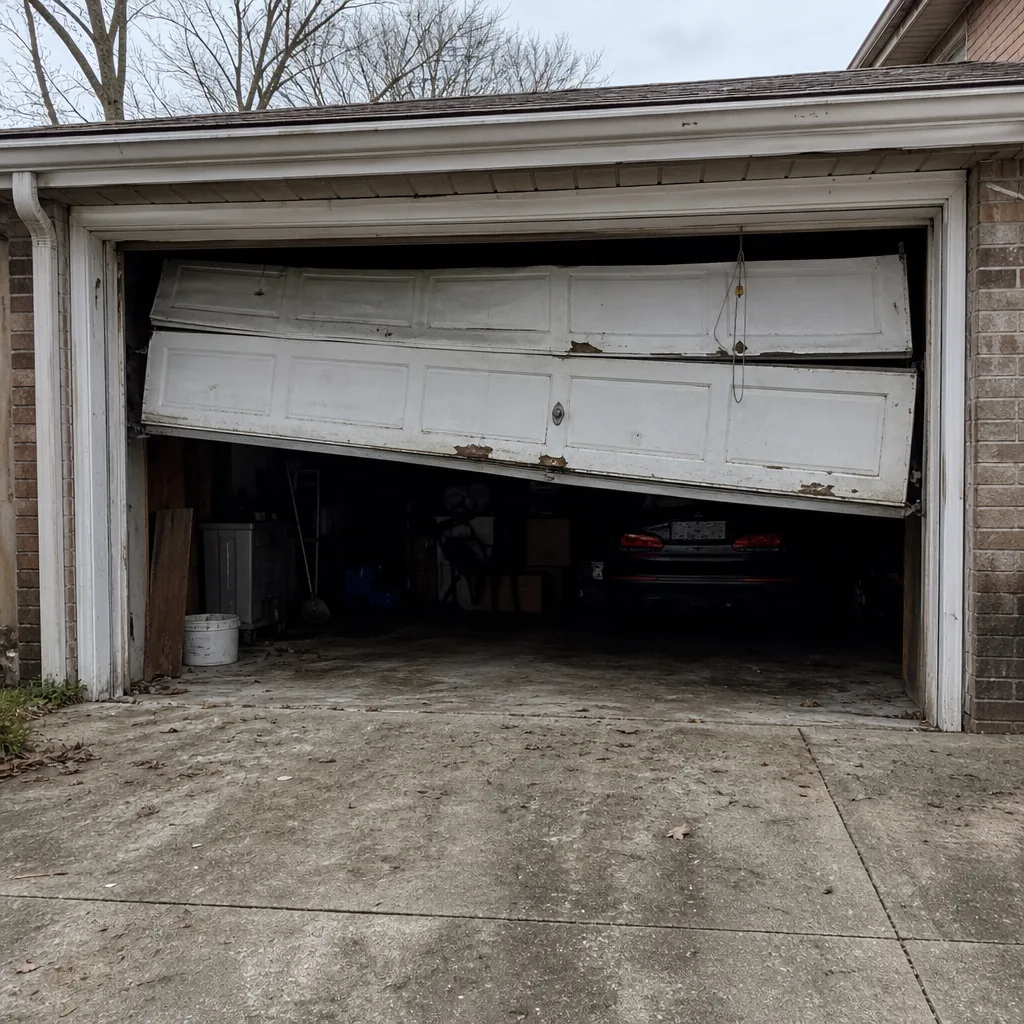 Before
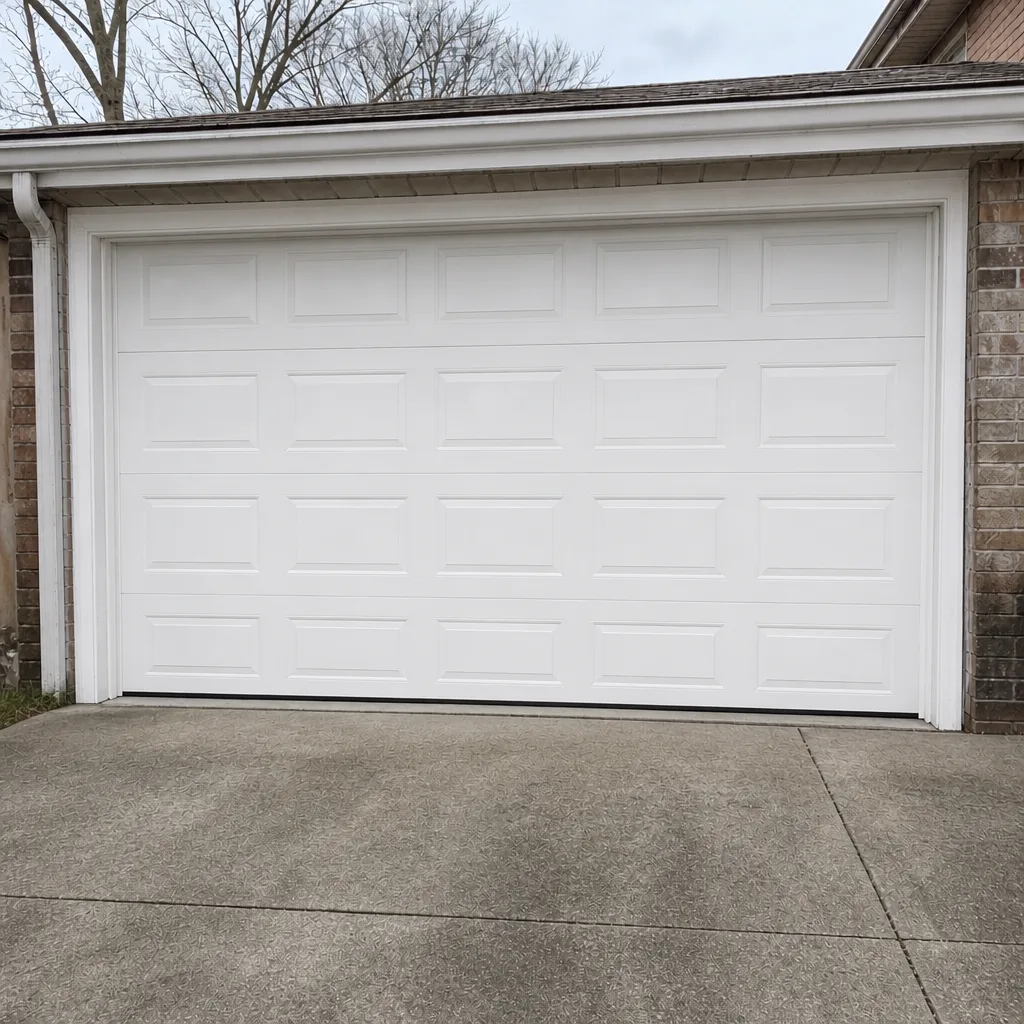 After
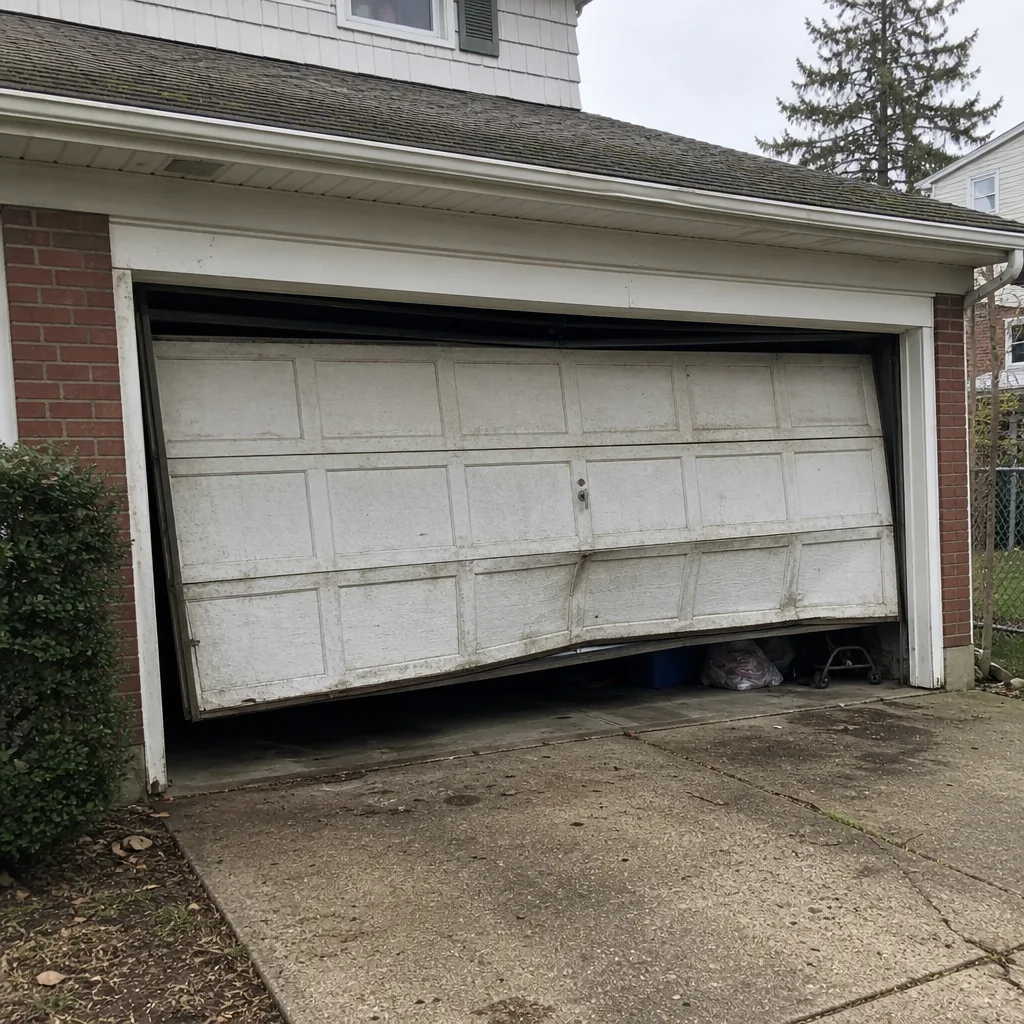 Before
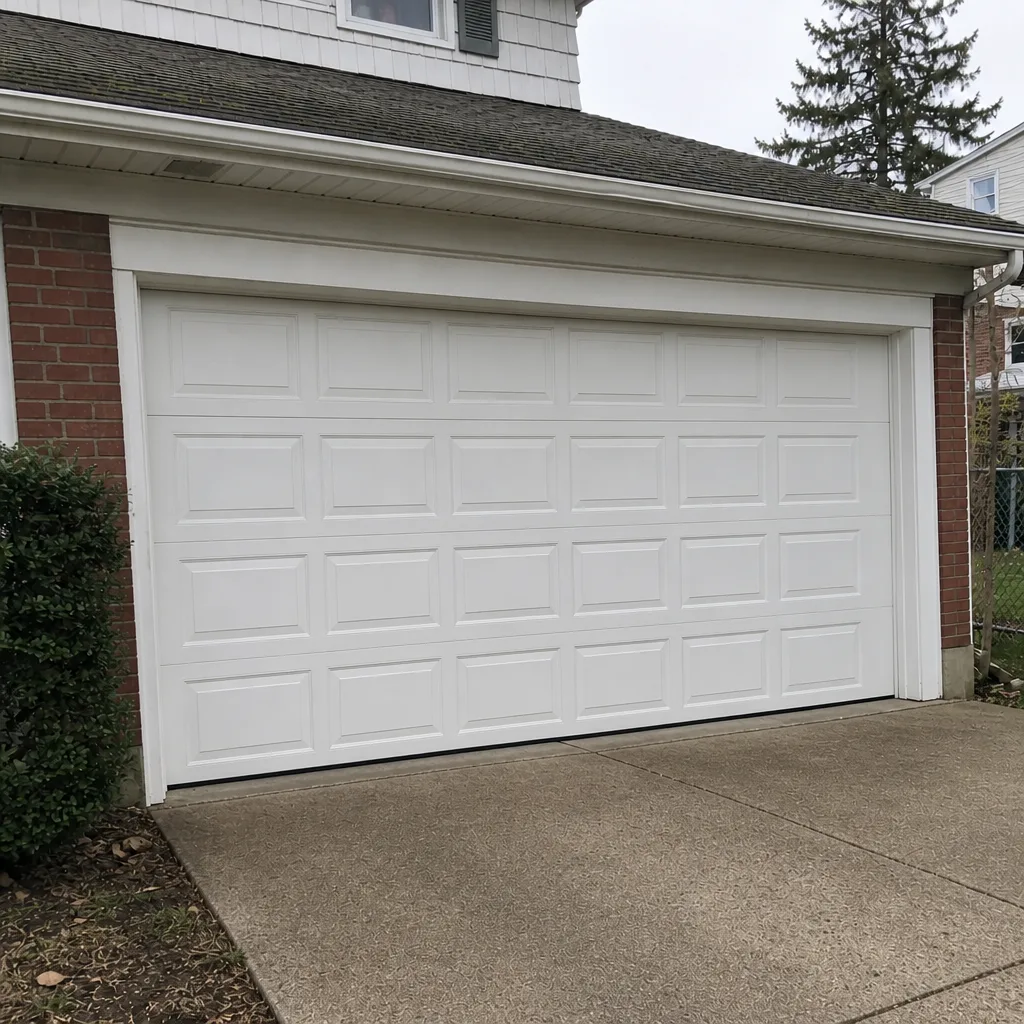 After
When to Call a Professional
Call a professional when the project crosses out of the “same opening, same door” category. That includes any plan to widen or add a garage door opening, any structural repair at the opening, any conversion that removes the door and closes off the garage, and any project where you’re unsure of the permit requirement. Call us when the spring has snapped and the door won’t open, when the opener has stopped responding, when a door has come off its track, or when you’re ready to plan a replacement and want a straight answer on permit needs and pricing. Garage Door Repair Bedford Park offers free estimates in Bedford Park. Call (866) 850-5634. We answer 24/7. Fast dispatch from 7am to 7pm, Sunday through Friday, and we’re closed Saturday.
Frequently Asked Questions
Usually not, if the replacement keeps the same size and configuration in the same opening. A straight swap of door or opener, with no structural change, is treated as a repair. Any change to the opening itself – widening, raising, or creating a new opening – requires a permit and inspection through the city’s building department. Call (866) 850-5634 for a free estimate if you want a professional opinion on which category your project falls into.
Replacing an older opener with a newer one of the same size and type, in the same mounting location, typically does not require a permit. Adding a new electrical circuit or relocating the opener to a new position is different work and generally does require one. Ask the city’s building department to confirm before you schedule an install, and call (866) 850-5634 with the model details so we can tell you what we’d expect.
Inspection fees are set by the local building department, not by the contractor, and they vary. The inspection itself usually takes under an hour for a straightforward installation. If corrections are needed, a reinspection may add time. Call (866) 850-5634 for a free estimate on the door work itself; the building department handles the inspection fee directly.
Ask them to explain why in writing, and call the city’s building department to confirm. That’s the safest path. If the project touches the structure of the opening, a contractor who says “no permit needed” without verifying the local rule is telling you something about how they work, not about the rule. Call (866) 850-5634 and we’ll walk through what the project involves.
It can complicate a claim if the failure is tied to the unpermitted work. Homeowner’s insurance covers sudden damage from events, not faulty workmanship, and an insurer reviewing a claim will ask when and how the work was permitted. The best protection is a permit, an inspection and the paperwork to prove it. Call (866) 850-5634 to check what an install would need before the project begins.
Call the city’s building department and ask what permits are on record for your address. That’s the only reliable way to know. A sign-off on file means the work was inspected; no record means either no permit was needed or none was pulled. Either way, the answer takes minutes and prevents a surprise when you sell. Call (866) 850-5634 if you want a specialist to walk through the install and check for anything that looks unpermitted.
The Bottom Line
A full garage door replacement in Bedford Park doesn’t usually require a permit, and that’s the fact most homeowners get wrong in one direction. The mistake runs the other way too: a widening project, a new opening, or a structural repair at the opening does require one. Call the city’s building department, put permit responsibility in writing, keep the inspection paperwork, and you’ll never be the homeowner getting a surprise from a buyer’s inspector. When the work itself needs doing, from spring repair to a brand-specific install on a Craftsman, Raynor, LiftMaster or Chamberlain system, our technicians have up to 11 years of experience and one call covers it.
Call (866) 850-5634 for a free estimate in Bedford Park. We answer 24/7. Fast dispatch from 7am to 7pm, Sunday through Friday, closed Saturday. The price is quoted and agreed before any work starts, and the written estimate sets the final price.
Written by the team at Garage Door Repair Bedford Park.