
Last updated November 20, 2026
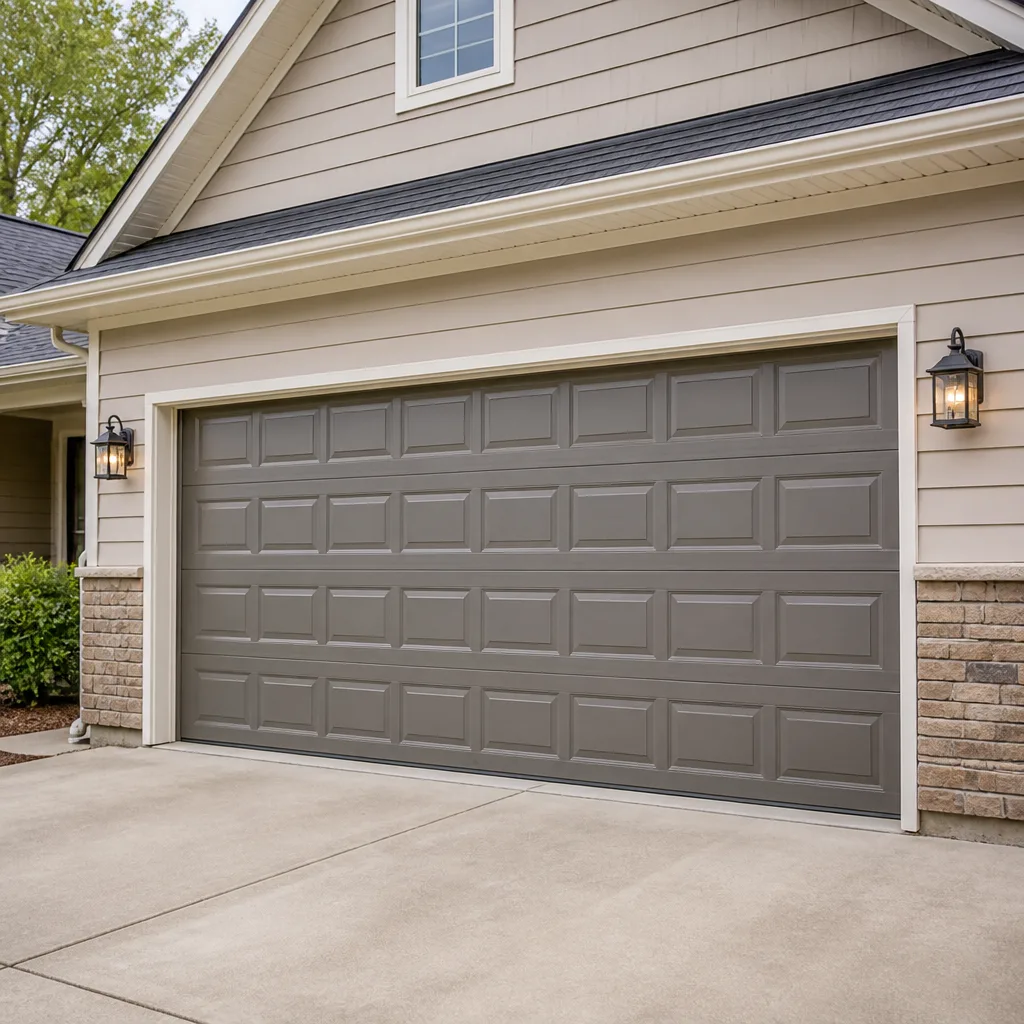 Raised-panel steel
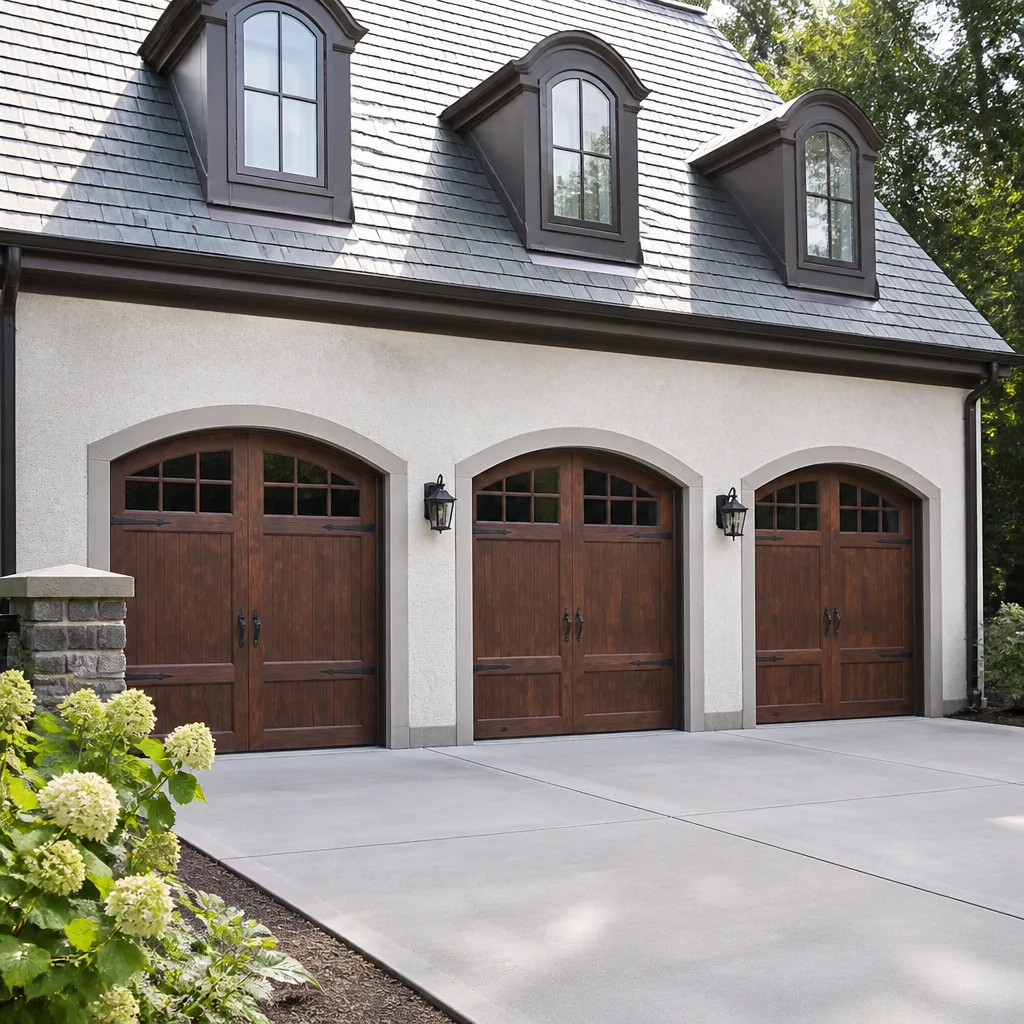 Carriage house
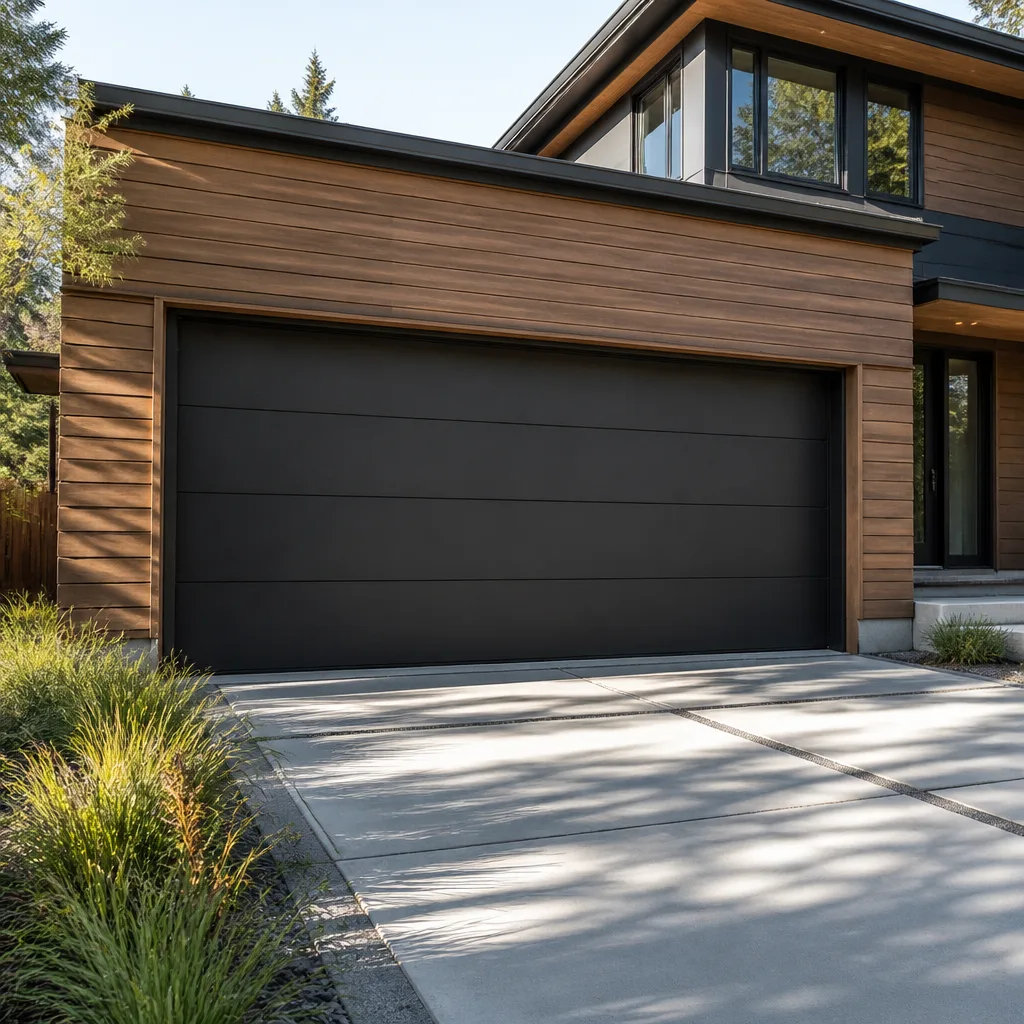 Modern flush
 Full-view glass
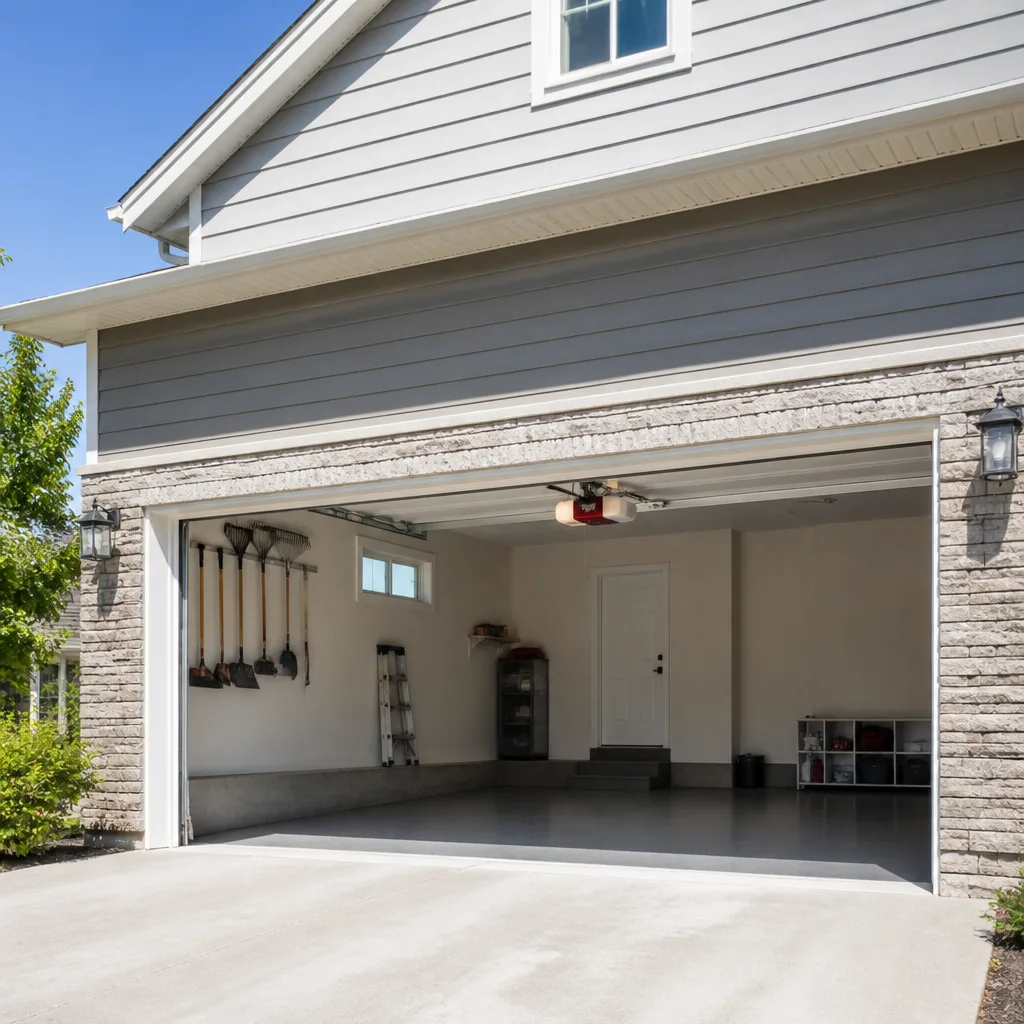 LiftMaster openers
 Chamberlain openers
Full 25-point door and opener safety check with every visit - springs, cables, rollers, tracks, and your LiftMaster or Chamberlain opener included
You get a price before we start. It does not change when the pro arrives.
Get your free estimateGarage Door Repair Maintenance Checklist for Bedford Park Homeowners
A snapped torsion spring in January doesn’t come out of nowhere. In our experience across Bedford Park, the failure almost always traces back to three things a homeowner could have caught in October: a bottom seal that had gone hard and started trapping meltwater, a spring coil that had lost its black coating to condensation, and a cable that had begun to jump its drum groove. None of those are dramatic. All of them are visible. This checklist is organized around what actually fails first in Bedford Park’s freeze-thaw winters, not what a generic PDF tells you to do twice a year. We’ll walk through a month-by-month routine, the balance test done properly, and the exact line between what you can safely handle and what needs a technician.
Quick Answer
A garage door maintenance checklist for Bedford Park should focus on the parts our freeze-thaw climate punishes hardest: the bottom seal, torsion spring coating, and cable drum grooves, checked monthly from October through March. Beyond that, lubricate hinges, rollers, and tracks every three months, test the balance and safety reverse monthly, and have spring tension and cable adjustment handled only by a trained technician. The single biggest mistake is a vague “twice a year” schedule that misses the seasonal triggers specific to Bedford Park.
Styles & brands we work with
- Raised-panel steel
- Carriage house
- Modern flush
- Full-view glass
- LiftMaster openers
- Chamberlain openers
Table of Contents
- Why Bedford Park Doors Wear Differently
- The Month-by-Month Checklist
- How to Run a Real Balance Test
- DIY vs. Technician: Where the Line Is
- Springs and Cables: The Parts You Never Touch
- Documenting Your Door’s Service History
- Seasonal Deep-Dives: What to Look For Each Quarter
- When to Call a Professional
Why Bedford Park Doors Wear Differently
Bedford Park sits in a climate with hard winters and real summer humidity, and that combination does specific things to a garage door. The freeze-thaw cycle is the main culprit. Water gets into a hairline crack in the bottom seal, freezes overnight, expands, and widens that crack. Repeat that a few dozen times through a winter and a seal that was fine in September is admitting cold air and moisture by February. Spring coils face a similar grind: condensation forms on cold metal, works under the factory coating, and leaves bare steel that corrodes faster than the rest of the door. Cable drum grooves wear where the cable rides under load every single time the door opens, and a groove that’s deepened by grit grinds the cable in turn.
We work on doors from Clopay, Amarr, Wayne Dalton, and Craftsman across Bedford Park, and the wear patterns line up with the same three components regardless of the brand. That’s not a coincidence; it’s the climate. A door in a milder region may go two years before a bottom seal needs attention. Around Bedford Park, an annual inspection of that seal is closer to right, and a mid-winter check is smart. Understanding this is the whole point of a location-specific checklist. A maintenance routine built for a mild climate will let the exact parts that fail first here slide until they fail hard.
The Month-by-Month Checklist
A generic “check it twice a year” recommendation misses the swing seasons that matter most. Everything that will fail in January is usually visible by October. Here’s how we’d sequence the year for a Bedford Park door, with what to actually look for at each point.
October: The Pre-Winter Inspection
- Bottom seal: Run your hand along the base and look for cracks, hardening, or gaps at the corners. A seal that’s stiff to the touch won’t compress and seal against a cold floor.
- Torsion spring coating: Check the black factory finish on the spring above the door for flaking or rust spots. Rust means moisture has gotten under the coating.
- Cable drum grooves: With the door closed, look at the drums at each top corner. The cable should sit neatly in its groove, not riding on the edge or overlapping.
- Weatherstripping and thresholds: Check the sides and top for gaps that let in cold air and snowmelt.
- Lubrication: Apply a garage-door-specific lubricant to hinges, rollers, and the torsion spring (not the tracks).
November through February: The Monthly Cold-Month Check
- Look for ice or water pooling at the bottom seal, a sign the seal or threshold is failing.
- Listen for new noises on open and close; grinding usually means rollers or a drum, squealing usually means dry hinges or a spring.
- Test the balance (more on that below) once a month; cold affects spring tension and a door that balanced in fall may not in deep winter.
- Clear snow and ice away from the door’s path so it doesn’t force the opener against resistance.
March and April: The Thaw Inspection
This is when the damage from winter becomes obvious. Re-check the bottom seal, spring coating, and cable drums with fresh eyes. Any rust or cracking found now is cheaper to address than waiting until it fails. Clean out grit and salt that collected in the tracks over the winter and wipe them down.
May through September: The Warm-Month Light Routine
Summer is easier on the door, but humidity still matters. Re-lubricate every three months, check that the tracks are straight and free of debris, and confirm the safety reverse still works (see below). This is also a good window to schedule a professional inspection before the cold returns.
How to Run a Real Balance Test
Most checklists say “lift the door halfway and see if it stays.” That’s a start, but it doesn’t tell you much. A proper balance test tells you whether your opener is doing work it shouldn’t have to, and that matters directly for how long your opener lasts. Here’s the version we recommend to Bedford Park homeowners.
- Disconnect the opener using the manual release cord so the door runs on its springs alone.
- Lift the door to about waist height by hand and let go. A well-balanced door should stay put, or drift very slowly.
- Now raise it to shoulder height and let go. It should again hold, or drift slowly. If it drops rapidly from either position, the springs aren’t carrying the door’s weight.
- Lower it to about knee height and let go. It should not fall closed on its own.
- Reconnect the opener and open and close the door once to confirm normal operation.
What does a door that’s “2 inches off” actually mean? If your door settles 2 inches when released at the halfway point, the springs are under-tensioned. The opener now has to lift that additional weight every single cycle, which wears the opener’s gear and motor faster and stresses the door’s hardware. Over months, that’s the difference between an opener that lasts and one that fails early. If your door is consistently out of balance, the fix is a spring tension adjustment, which is a technician job, not a homeowner one (more on that below). A door that won’t hold its position, or that slams, should be looked at before it’s used again.
DIY vs. Technician: Where the Line Is
There’s a clear, practical line in garage door maintenance, and it exists for a reason. On one side, tasks are safe for a careful homeowner. On the other, the risk is serious and the fix isn’t obvious from the outside. Here’s how we’d draw it.
Safe for a Homeowner
- Lubricating hinges, rollers, and springs with garage-door-specific lubricant (not the tracks, which should stay clean and dry).
- Cleaning and inspecting the bottom seal and replacing a worn seal if you’re comfortable with the job.
- Wiping down tracks and checking they’re straight and debris-free.
- Running the balance test and the safety-reverse test (placing an object in the door’s path and confirming it reopens).
- Checking and tightening visible mounting bolts on the track brackets and hinges with the door closed and the opener disconnected.
- Visual inspection of springs, cables, and drums for rust, fraying, or misalignment.
Needs a Trained Technician
- Spring tension adjustment or replacement. Torsion springs are under extreme tension; a mistake can cause serious injury. This is the single most dangerous part of any garage door.
- Cable adjustment or replacement. Cables are also under tension and can snap with force.
- Drum and bearing plate work. Correct cable seating and tension are precision jobs.
- Opener repair beyond a reset, especially force-limit or travel adjustments that affect safe operation.
- Track realignment when the door has come off track.
- Any repair where the door is stuck open or closed and won’t move safely.
The line exists because springs and cables store energy. A trained technician knows how to release and re-set that energy safely and has the tools to do it. We’ve seen the aftermath of DIY spring work, and it’s the one area where we’d always encourage a call rather than a project. Our technicians have up to 11 years of experience and handle spring tension and cable work as routine jobs.
Springs and Cables: The Parts You Never Touch
Springs and cables are where the checklist stops being a maintenance list and becomes a safety issue. Both parts hold stored energy that can release violently. We’re deliberately not giving step-by-step instructions here; the right move is to inspect visually and leave the adjustment to a technician.
What you can safely do is look. A torsion spring should have an intact black coating. Rust spots mean moisture is working under the finish, and a spring with rust or a visible gap is a candidate for replacement before it snaps. A cable should be taut, sit cleanly in its drum groove, and show no fraying. Frayed strands mean the cable is weakening and should be replaced. If you see a spring with a gap in it, a cable that’s off its drum, or a door that’s dropped on one side, stop using the door and call for service.
Because spring replacement is brand-matched and involves proper tension calibration, it’s not a generic fix. Repairs like this done right the first time is the standard we hold to, and it’s why a snapped spring is a same-day repair call rather than a patch job. If your door is stuck open or closed because of a spring issue, that’s an emergency in the sense that your home is exposed. If your door is stuck and needs urgent attention, we answer 24/7 and offer fast dispatch from 7am to 7pm, Sunday through Friday, with same-day service available. For a full professional assessment of your springs or cables, you can also arrange garage door repair and get a written estimate before any work begins.
Documenting Your Door’s Service History
This is the part of maintenance most homeowners skip, and it’s the part that saves real money. When a technician can see what’s been done and when, diagnosis gets faster and you avoid paying twice for the same investigation. A simple log is enough.
Keep a sheet or a note on your phone and record: the date of each service, what was done, the brand and model of your door and opener (Clopay, Amarr, Wayne Dalton, Craftsman, and others), the make of any parts replaced, and any symptoms you noticed before the service. Photograph the spring and drum area at each inspection so you have a visual history; a photo from October next to one from February shows wear that’s hard to see day to day.
Why does this matter in Bedford Park? Because the seasonal wear is the story. If a technician sees that your bottom seal was replaced last fall and is already degrading, that changes the diagnosis. If they see you’ve lubricated regularly but the balance is drifting, they know to look at spring tension rather than hardware. And if you ever sell the home, a documented service history is a small but real reassurance to a buyer. Brand-specific knowledge helps here too; knowing your door is a Wayne Dalton or a Clopay lets a specialist pull the right parts and set the right tension the first time. If your opener is the issue rather than the door, garage door opener repair can trace the problem with the same documentation in hand.
Seasonal Deep-Dives: What to Look For Each Quarter
Beyond the monthly routine, it helps to think in quarters. Each season in Bedford Park stresses the door differently, and a quarterly deep-dive catches the cumulative wear before it becomes a failure.
Fall (October – November): Prepare for the Freeze
- Inspect and, if needed, replace the bottom seal before the first hard freeze.
- Lubricate all moving metal parts and check the spring coating for rust.
- Test the safety reverse and balance, and note any drift.
- Clear gutters and drainage away from the garage so meltwater doesn’t pool at the door.
Winter (December – February): Watch and Listen
- Monthly balance and safety-reverse tests, since cold affects spring tension.
- Listen for new sounds; grinding or squealing is your earliest warning.
- Keep snow and ice out of the door’s path.
- Check for ice at the seal and note any drafts.
Spring (March – May): Assess the Damage
- Re-inspect the bottom seal, spring coating, and cable drums after the thaw.
- Clean grit and salt from the tracks and wipe them down.
- Re-lubricate and re-test balance and safety reverse.
- Book a professional inspection if anything looks worn.
Summer (June – September): The Light Stretch
- Re-lubricate every three months in the humidity.
- Confirm tracks are straight and free of debris.
- Test safety reverse monthly.
- Plan the fall inspection before the cold returns.
Common Mistakes to Avoid
- Following a generic “twice a year” schedule. In Bedford Park’s freeze-thaw winters, the bottom seal and spring coating need monthly eyes from October through March, not twice a year. A vague schedule is how a seal fails quietly.
- Lubricating the tracks. Tracks should stay clean and dry; lubricant attracts grit that grinds the rollers. Lubricate hinges, rollers, and springs only.
- Adjusting spring tension yourself. This is the most common and most dangerous DIY mistake. The stored energy in a torsion spring can cause serious injury; leave it to a technician.
- Skipping the balance test because the door “seems fine.” A door that’s 2 inches off will wear out the opener faster every cycle. The test takes two minutes; the repair it prevents is far more expensive.
- Ignoring a small rust spot on the spring. Rust under the coating is often the first sign of a spring headed for failure. Note it and have it checked before winter.
- Not clearing snow and ice from the door’s path. Forcing the door against resistance stresses the opener and the door’s hardware and can trip the opener’s safety reverse.
- Throwing away the service record. A documented history speeds diagnosis and prevents repeat diagnostics. Keep the log and the photos.
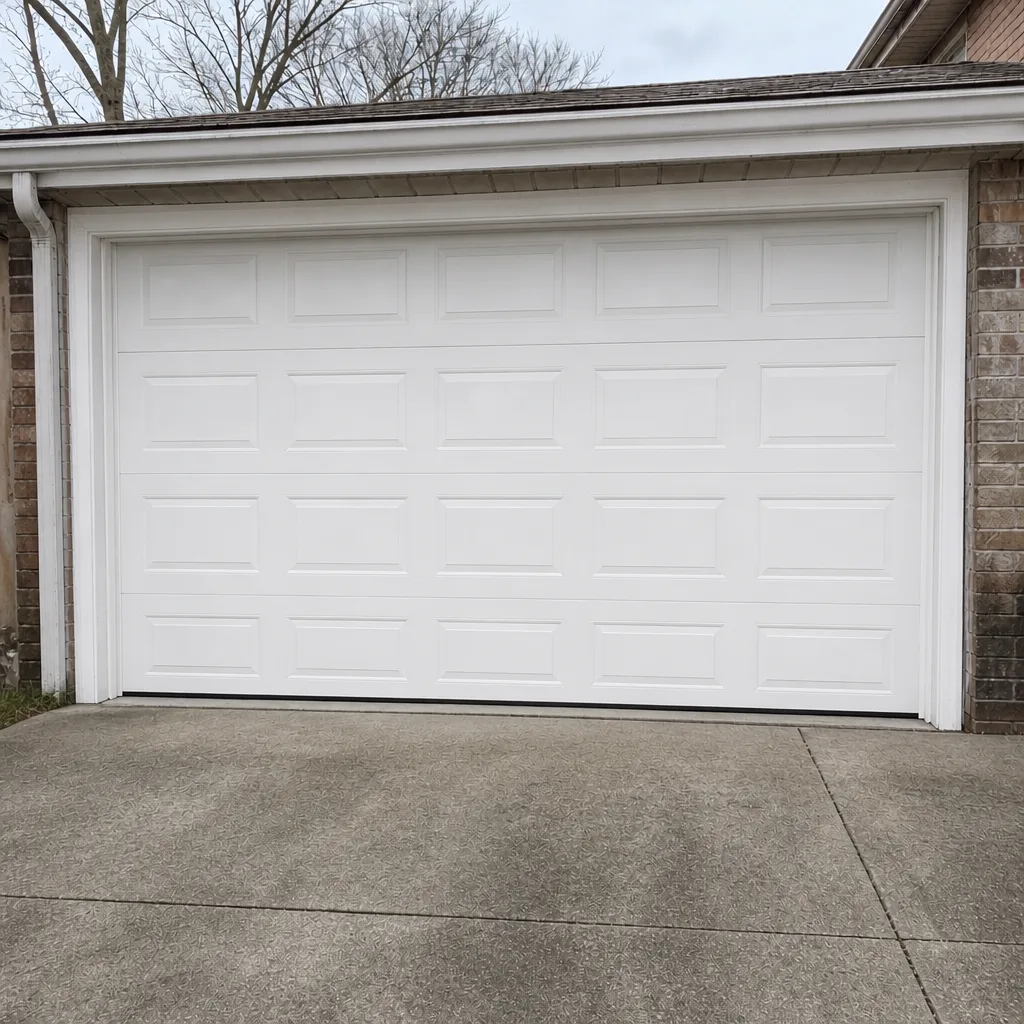
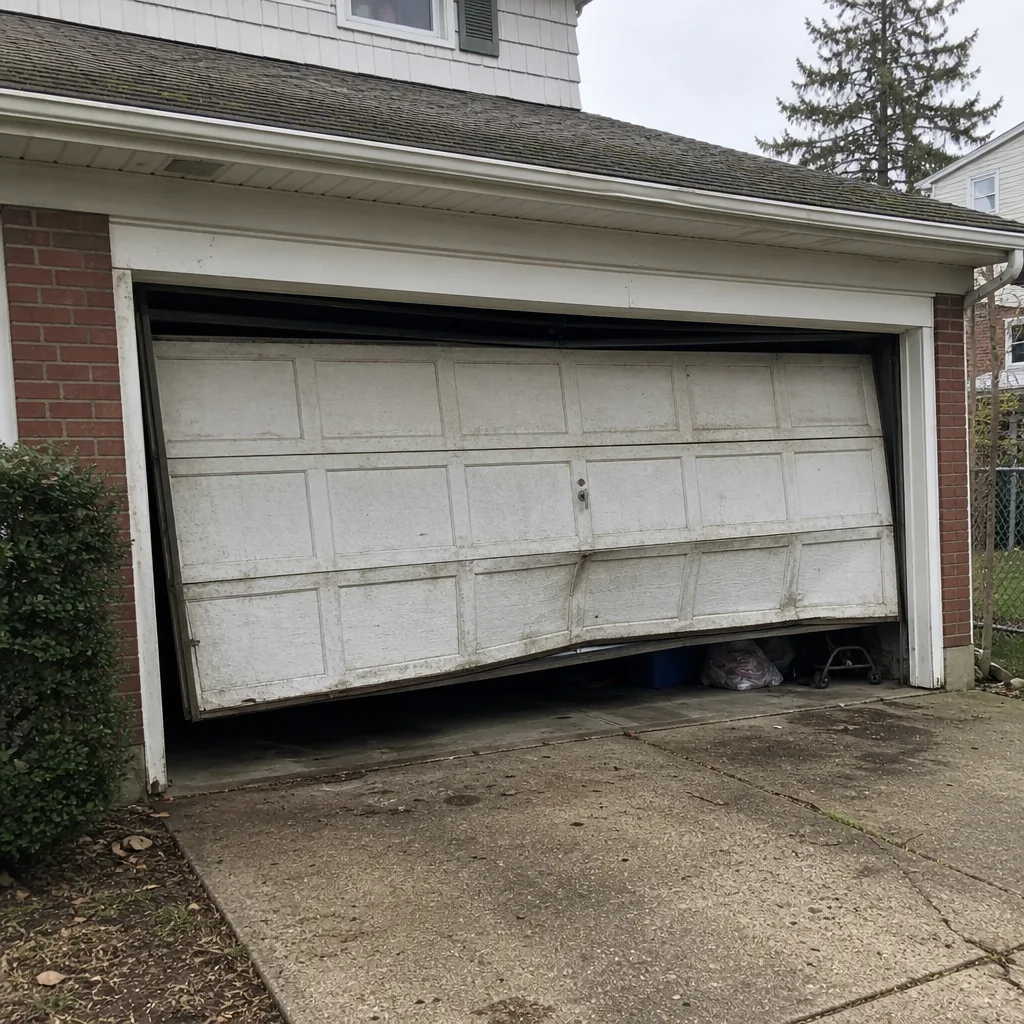
See the difference
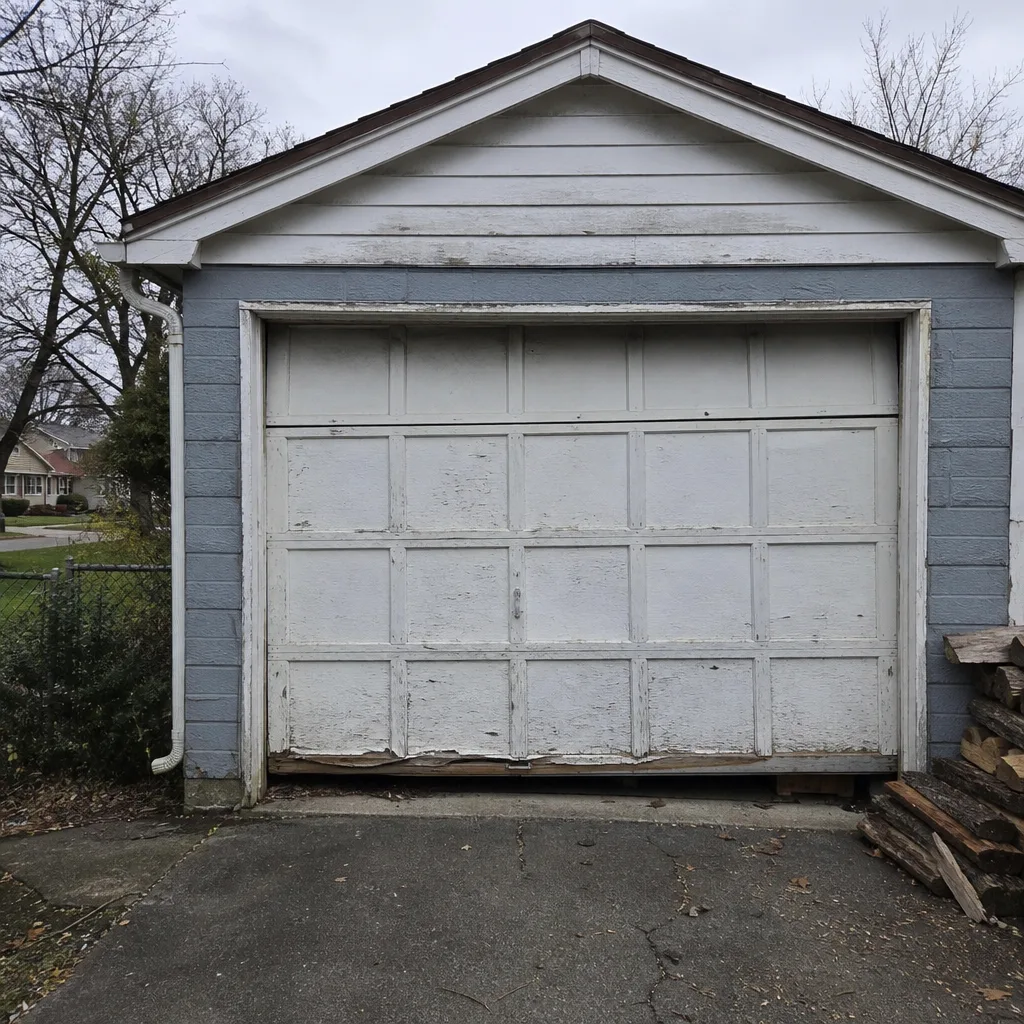 Before
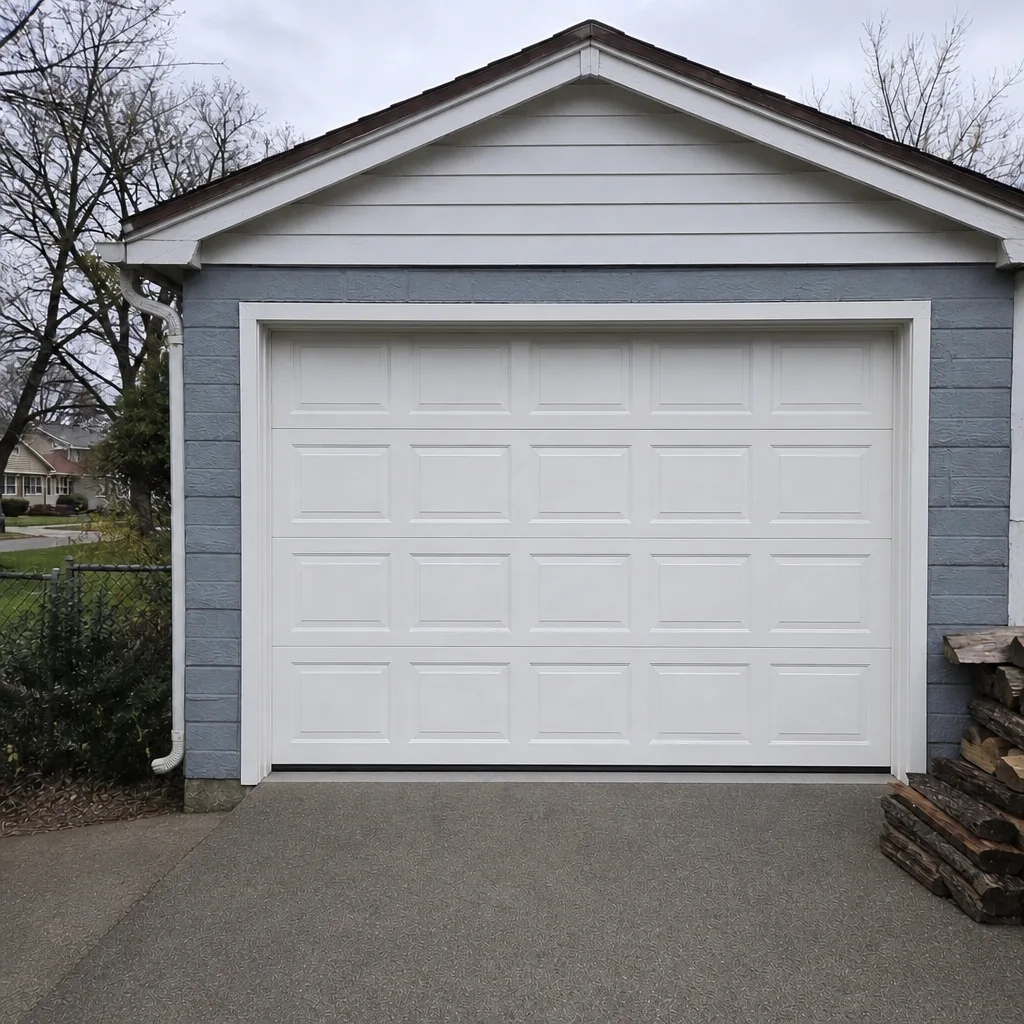 After
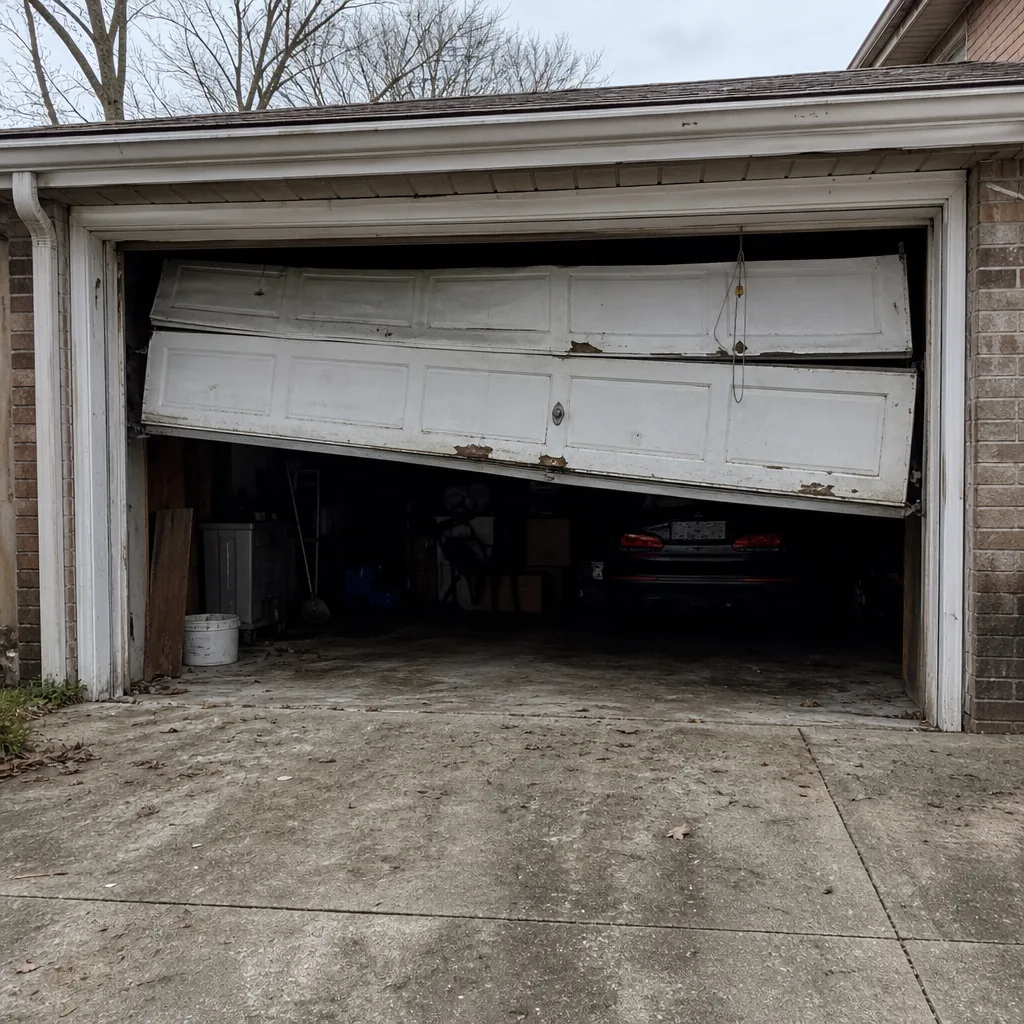 Before
 After
 Before
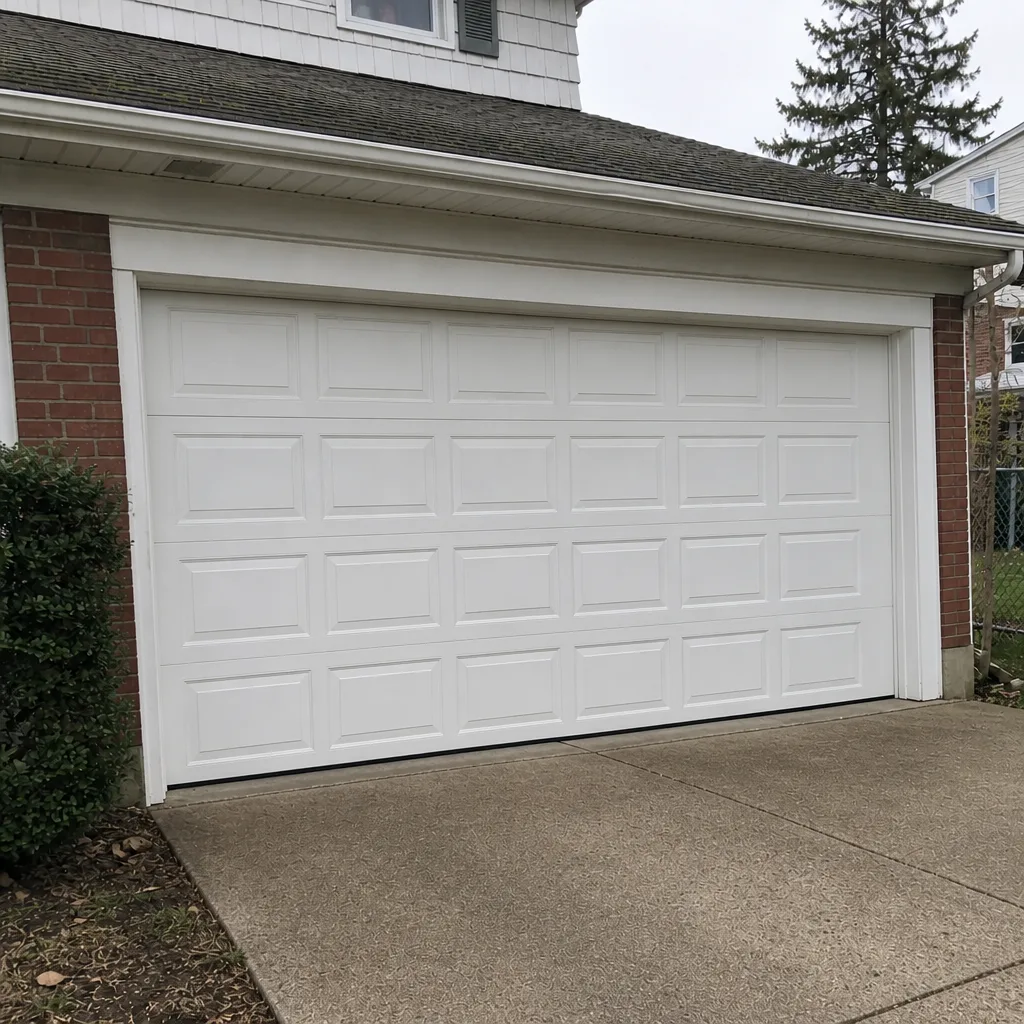 After
When to Call a Professional
Some situations call for a technician, not a checklist. Call right away if the door is stuck open and your home is exposed, if it’s stuck closed and you can’t get a vehicle out, if you see a gap in a torsion spring, if a cable has come off its drum or is frayed, if the door has dropped on one side, or if the opener runs but the door doesn’t move. Any of these mean the door isn’t safe to keep operating, and continuing to cycle it can turn a small repair into a larger one. Beyond emergencies, schedule a professional inspection if you find rust on the spring coating, a bottom seal that’s already failing after recent replacement, or a balance that drifts consistently. Garage Door Repair Bedford Park offers free estimates in Bedford Park. Call (866) 850-5634. We answer 24/7. Fast dispatch from 7am to 7pm, Sunday through Friday.
Frequently Asked Questions
Do a full inspection and lubrication every three months, and run the balance and safety-reverse tests monthly, especially from October through March. Bedford Park’s freeze-thaw winters mean the bottom seal, spring coating, and cable drums need eyes on them every month through the cold season. A light routine is enough in summer.
No. Spring tension adjustment is a technician job because torsion springs hold extreme stored energy that can release violently. A mistake can cause serious injury. You can inspect the spring for rust or gaps visually, but leave the tension work to a trained technician. If you’re unsure whether your spring needs attention, call us for a free estimate.
It means the springs are under-tensioned and the opener is carrying extra weight on every cycle. That wears the opener’s motor and gears faster and stresses the door’s hardware. The fix is a spring tension adjustment by a technician. Call (866) 850-5634 to have it checked; estimates are free.
The bottom seal, the spring coating, and the cable drum grooves. Freeze-thaw cycles crack the seal and let moisture under the spring coating, and grit in the drum grooves grinds the cables. Those three are the parts to inspect monthly through the winter.
Same-day service is available for stuck doors, broken springs, and unresponsive openers. We answer 24/7 and offer fast dispatch from 7am to 7pm, Sunday through Friday. If a door fails on a Saturday, call and we’ll book you for Sunday. If you’re not sure whether it’s urgent, call (866) 850-5634 for a free estimate.
The technicians are experienced and work on brand-specific systems from LiftMaster, Chamberlain, Genie, Clopay, Amarr, Wayne Dalton, Craftsman, and Raynor. Our technicians have up to 11 years of experience. Every job is quoted and agreed before any work begins, so the written estimate is the price. Call (866) 850-5634 for a free estimate, and the local pro’s licensing and insurance are handled as your state requires.
The Bottom Line
A garage door maintenance checklist built for Bedford Park conditions is not the same as a generic one. The parts that fail first here, the bottom seal, spring coating, and cable drum grooves, need monthly attention through the freeze-thaw months, not a twice-a-year pass. Run a real balance test, lubricate correctly (not the tracks), and leave spring tension and cable adjustment to a technician. Keep a simple service log so diagnosis stays fast and you don’t pay twice for the same investigation. Do those things and you’ll catch the January failures in October, when they’re still cheap to fix.
Ready to put a maintenance plan in place or get a professional look at your door before winter? For Garage Door Repair Bedford Park, we handle repair, spring work, and garage door installation under one specialist. Call (866) 850-5634 to schedule a free estimate. We answer 24/7. Fast dispatch from 7am to 7pm, Sunday through Friday.
Written by the team at Garage Door Repair Bedford Park.