
Last updated November 20, 2026
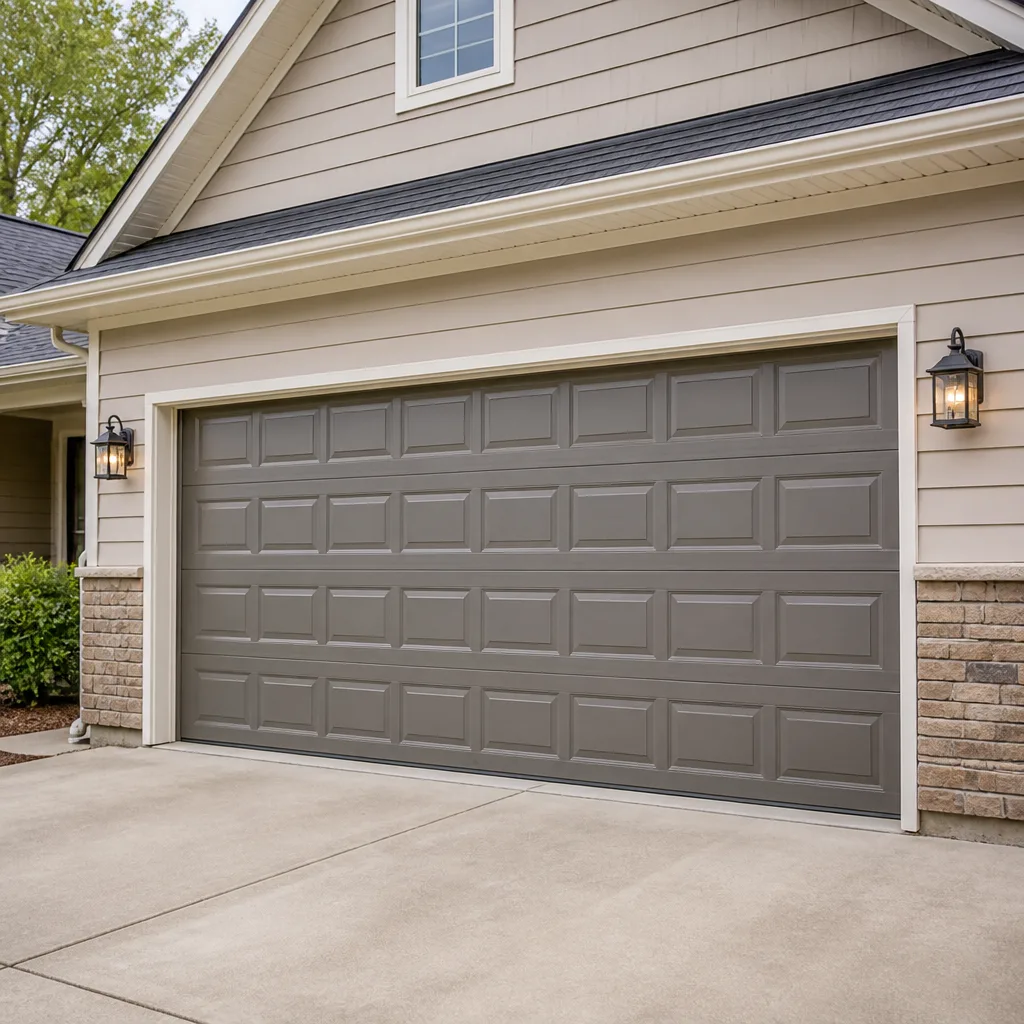 Raised-panel steel
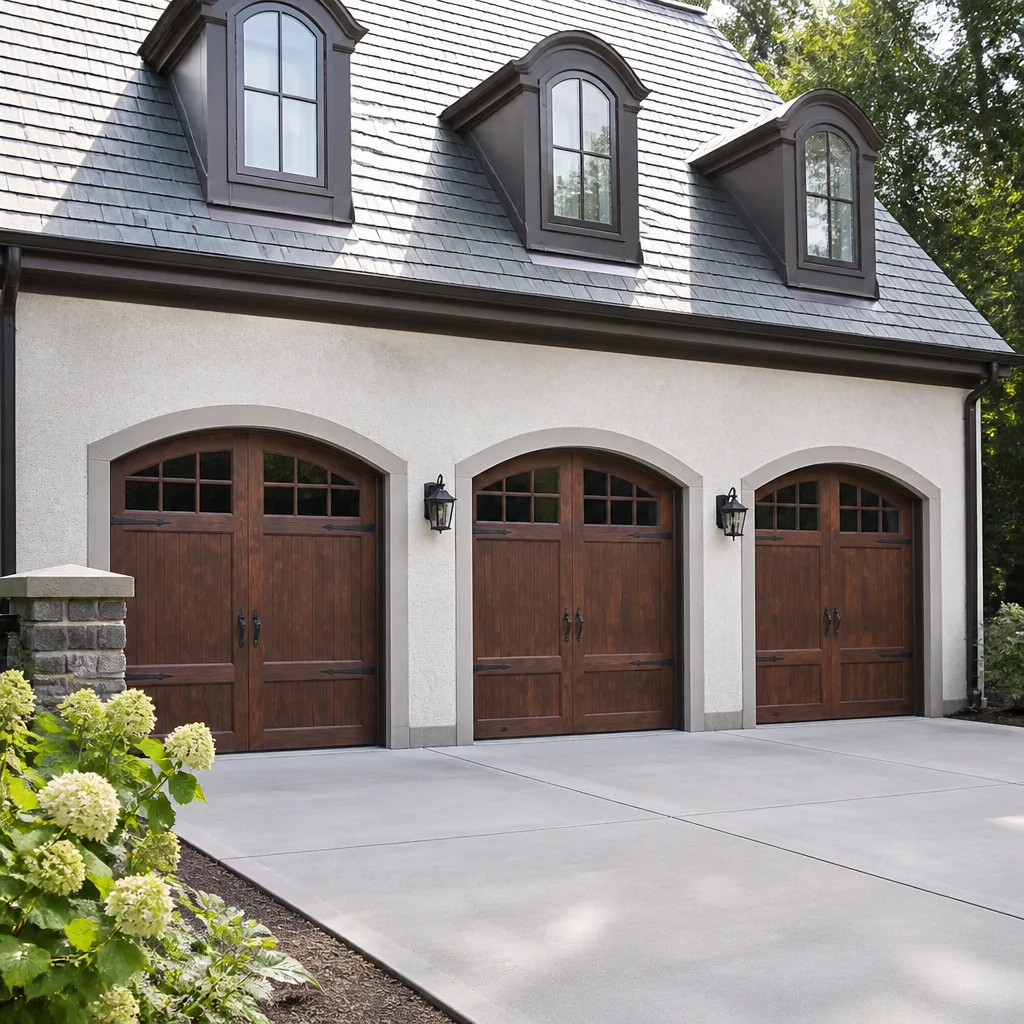 Carriage house
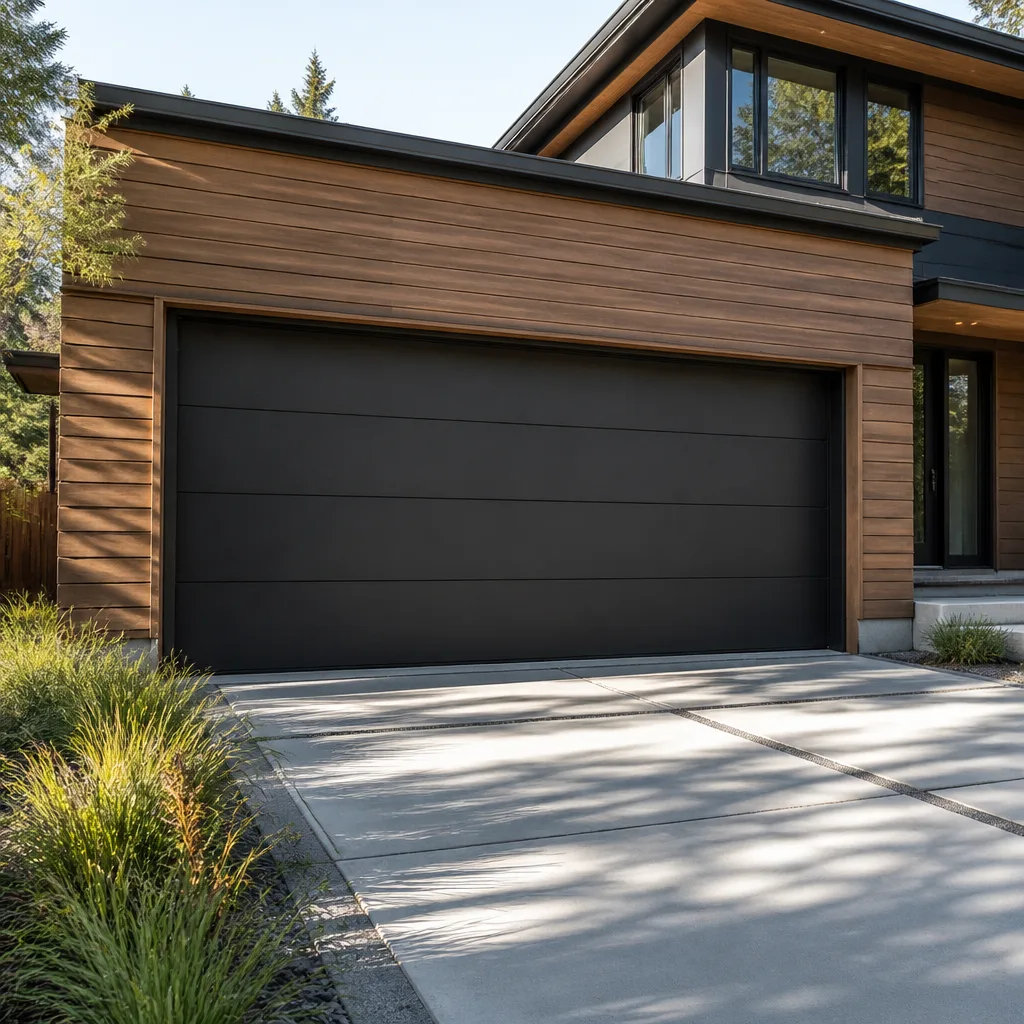 Modern flush
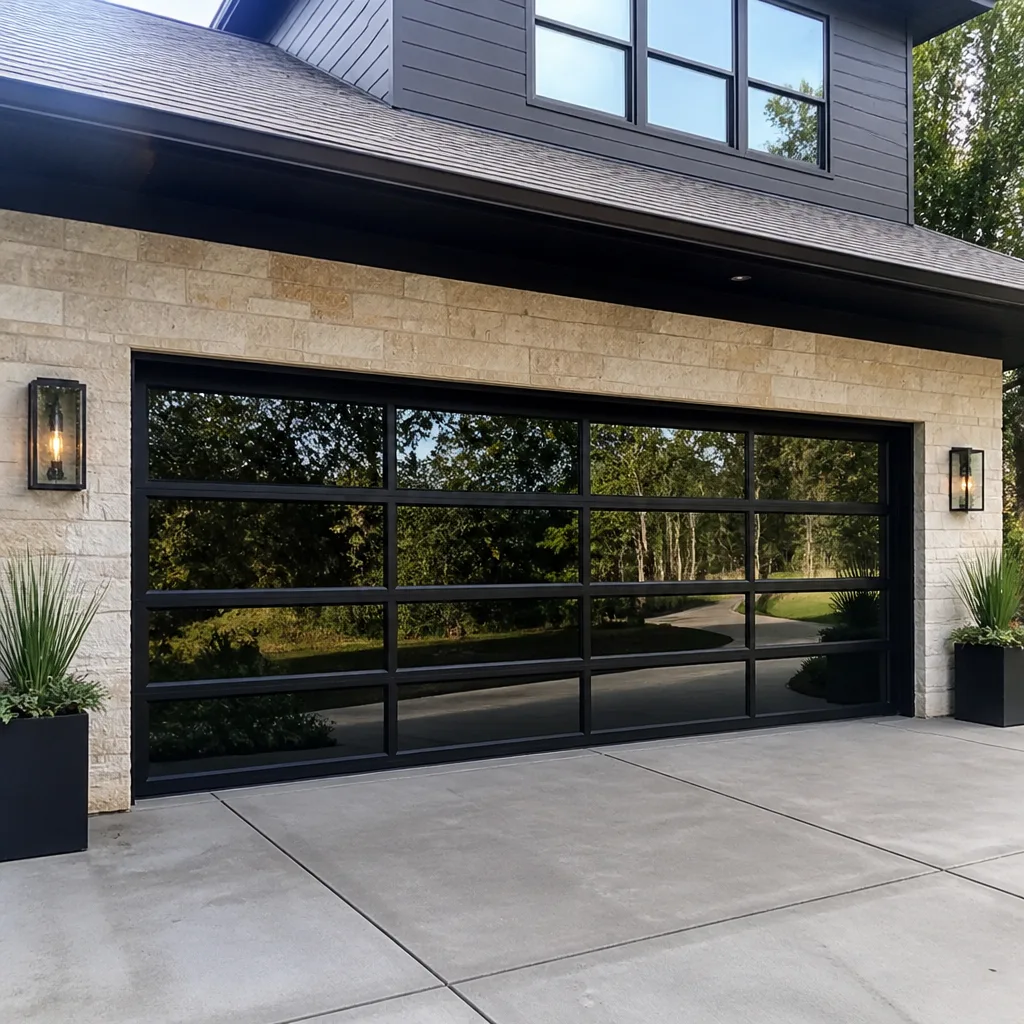 Full-view glass
 LiftMaster openers
 Chamberlain openers
Full 25-point door and opener safety check with every visit - springs, cables, rollers, tracks, and your LiftMaster or Chamberlain opener included
You get a price before we start. It does not change when the pro arrives.
Get your free estimateSeasonal Garage Door Care for Bedford Park: Year-Round Homeowner’s Guide
Your garage door works hardest in January and fails most often in February. That sequence isn’t bad luck, and it isn’t a coincidence. Cold stiffens every moving part at the exact moment the door is cycling through the most open-and-close traffic of the year, and the weakest component finally gives. Most homeowners treat garage door care as one annual chore, usually a quick visual check in spring. That habit misses the point. A door in Bedford Park faces four distinct mechanical seasons, and each one stresses a different part of the system.
This guide maps those seasons to specific tasks. You’ll learn what to check in October before the cold tightens tolerances, what winter does to your lubricant and sensors, why spring calls for a closer look at cables and drums, and why summer is the window for correcting alignment problems before they set. The goal is simple: address the right problem at the right time instead of running through a generic checklist that treats every month the same.
Quick Answer
Seasonal garage door care in Bedford Park follows a four-stage cycle: tighten and treat components in fall before cold contracts metal, protect lubrication and sensors through winter, inspect cables and drums in spring after freeze-thaw stress, and correct alignment in summer before humidity-driven warps become permanent. The most important single habit is a fall inspection, because a door that goes into winter properly adjusted and lubricated handles the cold months far better than one that doesn’t. Most of these tasks take 15 to 30 minutes and don’t require tools beyond a level, a rag, and a can of lubricant.
Styles & brands we work with
- Raised-panel steel
- Carriage house
- Modern flush
- Full-view glass
- LiftMaster openers
- Chamberlain openers
Table of Contents
- Why Bedford Park’s Seasons Stress Your Door Differently
- Fall: The Inspection That Sets Up Your Whole Year
- Winter: Cold, Viscosity, and the Sensors That Quit
- Spring: The Post-Winter Cable and Drum Sequence
- Summer: Alignment, Humidity, and the Warp Window
- Your One-Page Seasonal Task Summary
- Common Mistakes to Avoid
- When to Call a Professional
Why Bedford Park’s Seasons Stress Your Door Differently
A garage door is a tensioned mechanical system that lives in an unheated space. That last point matters more than most homeowners realize. While the rest of the house holds a steady temperature, your garage tracks the outdoor air closely, so every part of the door and its hardware is expanding and contracting with the weather. In Bedford Park, that swing is significant from July to January, and the components respond at different rates.
Steel panels, torsion springs, cables, and the tracks all change dimension with temperature, but not equally. A steel panel might shift a fraction of an inch while a spring’s effective tension changes more noticeably. When those parts are bolted to the same frame, the mismatch creates small stresses that accumulate over a season. That’s the physical reason a door that ran quietly in September can sound different in December, and it’s why the timing of your maintenance matters as much as the tasks themselves.
Consider what each season actually does to the system:
- Fall shrinks metal and tightens clearances, making an already-loose door feel rattly and putting extra load on springs and rollers.
- Winter thickens lubricants, saps battery capacity, and clouds or fogs the photo-eye lenses that keep the door from closing on something.
- Spring brings repeated freeze-thaw cycles that flex cables and stress the drums they wind around.
- Summer swells wood panels and softens the ground under the slab, both of which can nudge a door out of alignment.
This isn’t a reason to worry about your door constantly. It’s a reason to check it at the right moments, so small seasonal changes get corrected before they compound. A technician who works on LiftMaster, Chamberlain, Genie, Clopay, Amarr, Wayne Dalton, Craftsman, and Raynor equipment sees these patterns across every brand, and the timing advice holds regardless of what’s hanging over your driveway.
Fall: The Inspection That Sets Up Your Whole Year
October is the single best month to inspect a garage door in Bedford Park, and the reason is mechanical rather than aesthetic. As temperatures drop, metal contracts. Tolerances that felt fine in August start to tighten, and a door that was marginally out of adjustment becomes noticeably stiff or noisy. If you catch those problems in October, you have time to correct them while the weather is still workable and before the door is under heavy winter demand.
The fall checklist centers on two things: spring tension and weatherstripping.
Checking spring tension
Springs are the heart of the door’s balance system, and they’re the component that fails most dramatically when neglected. You can assess spring health safely by watching and listening, without touching the springs themselves:
- Open and close the door and listen for a grinding, scraping, or popping sound that wasn’t there last season.
- Disconnect the opener (pull the release handle) and lift the door halfway by hand. It should feel light and stay put when released.
- If the door feels heavy, drops quickly, or won’t hold position, the springs are out of balance and need attention.
- Look for visible gaps in the coils or a stretched section on a torsion spring.
- Never adjust spring tension yourself – call a specialist (more on that below).
Weatherstripping before the cold
The rubber seal along the bottom of the door and the strips around the frame are what keep cold air, moisture, and pests out of the garage. Fall is when they’re most likely to be dried out or cracked from summer sun, and once winter arrives a failing seal lets cold air in and can freeze to the floor. Run your hand along the bottom seal and look for brittleness, tears, or a gap when the door is closed. Replacing worn weatherstripping before the first hard freeze is one of the highest-value tasks on this list, and it’s genuinely a homeowner job on most doors. If your door is a wooden Clopay or a builder-grade Craftsman, check the seal around the panel edges too.
While you’re at it, lubricate the rollers, hinges, and tracks with a proper garage door lubricant (not WD-40, which attracts dust and evaporates). A door that enters winter lubricated runs with less friction, which means less strain on the springs and opener. And if you notice persistent noise or a door that won’t stay balanced, our garage door repair team can diagnose it before the cold makes it worse.
Winter: Cold, Viscosity, and the Sensors That Quit
Winter is when the physical effects of cold become obvious, and the three failure points to watch are lubricant viscosity, battery backup, and photo-eye sensors. Each behaves differently in a New York winter than in the milder months, and each has a simple check.
Lubricant viscosity
Every lubricant thickens as it cools. A product that flows smoothly at 70 degrees becomes noticeably sluggish near freezing, and in a garage that drops below freezing overnight it can become stiff enough to resist the rollers. The result is a door that runs slowly, strains the opener, and sounds labored on the first cycle of a cold morning. The fix is to use a lubricant formulated for cold conditions and to apply it in fall so it’s already in place. If you’ve been using a general-purpose oil, winter is when the difference shows. Wipe the old gummy residue off the tracks and apply a proper cold-rated garage door lubricant.
Battery backup systems
Most modern openers, including LiftMaster and Chamberlain units, have a battery backup that lets the door operate during a power outage. Cold weather reduces battery capacity in every chemistry, so a battery that’s near the end of its life will fail on the coldest night, exactly when you need it. Check the backup indicator light on your opener monthly through winter, and if the unit beeps or shows a low-battery signal, replace the battery before it lets you down. This is a five-minute task with a big payoff in a region where winter storms take the power out.
Photo-eye sensors
The two small sensors near the floor on either side of the door do one job: they stop the door from closing if something crosses the beam. In winter, moisture, frost, and road grime can cloud the lenses, and a dirty lens reads as an obstruction, so the door reverses and refuses to close. Wipe both lenses with a soft cloth whenever the door acts up, and check that nothing has shifted in front of them (a stored snow shovel is a common culprit). If the door still reverses with clean lenses, the sensors may be misaligned and need adjustment.
Winter is also when a snapped spring or a door stuck open hits hardest, since you’re dealing with cold and a security gap at once. That’s why we treat garage door opener repair and spring failures as a same-day priority in Bedford Park whenever the schedule allows.
Spring: The Post-Winter Cable and Drum Sequence
When the ground thaws, the freeze-thaw cycle has done its work on your door’s lifting hardware. Water gets into small gaps, freezes, expands, and thaws again, flexing cables and stressing the drums they wind around. By the time spring arrives in Bedford Park, the cables and drums have been through dozens of these cycles, and that’s exactly when you should inspect them.
This is a visual inspection, not a repair. Cables are under extreme tension and are genuinely dangerous to touch, so the sequence below is about what to look at and what to leave alone.
- Look at the cables where they wind onto the drums. They should be neatly coiled with no fraying, kinks, or loose strands. A frayed cable is a failure waiting to happen.
- Check the drums for wear. The drum is the spool the cable winds around. Look for grooves, cracks, or cable that has jumped the edge of the drum.
- Inspect the bottom brackets and fasteners. Look for rust or looseness at the points where the cable attaches. Don’t loosen anything – just observe.
- Test the balance by hand. Disconnect the opener, lift the door halfway, and confirm it holds. A door that drifts up or down has a spring or cable problem.
- Listen on every cycle. A snapping or popping sound near the drums or a cable that’s slack on one side signals trouble.
If anything on that list looks wrong, stop using the door and call a specialist. Cables and springs are the two components where a DIY fix can cause serious injury. If your door is a Raynor or Wayne Dalton model, note that drum and cable configurations vary by model, so a technician who works on that brand will know exactly what to expect. Spring repair in particular is a precision job that requires matching the right spring to the door’s weight and calibrating the tension correctly – done wrong, it’s the most common way a garage door becomes dangerous.
Summer: Alignment, Humidity, and the Warp Window
Summer in Bedford Park brings two things that affect a garage door: high humidity and heat. Both push a door out of alignment, and both are easier to correct in summer than after they’ve set. This is the season to fix the small problems before they harden into permanent ones.
Wooden door panels and humidity
If your door has wooden panels – which many older homes and some premium doors do – humidity is the enemy. Wood absorbs moisture and swells, and a panel that swells against its frame can bow, warp, or crack. The swelling is temporary, but the warp it causes can become permanent once the wood dries in its new shape. Inspect the panels in early summer for swelling, bubbling paint, or separation at the seams. A fresh coat of exterior paint or stain on a wooden door is real protection, and doing it before the humid stretch is better than after.
Alignment before it hardens
Heat also causes the ground under the garage slab to shift slightly, and a door that was perfectly aligned in spring can develop a rub or a gap by mid-summer. That’s the moment to correct it. Check that the door closes flush across the bottom seal, that it doesn’t rub the frame on either side, and that the tracks aren’t bowed. A door that’s slightly out of alignment in July is a door you can still adjust; left alone, repeated cycles can bend the tracks or wear the rollers unevenly, and then you’re looking at a bigger repair. Summer is also the right time for a full garage door installation if your door is nearing the end of its life, since the work can be measured and scheduled without fighting the cold.
One more summer task: clean and lubricate the tracks and rollers again. The heat and dust of summer dry out lubricant faster than you’d expect, and a mid-summer reapplication keeps the door running smoothly into fall.
Your One-Page Seasonal Task Summary
Here’s the practical version, with realistic time estimates for each task. You don’t need to do everything at once – spread these across the year and you’ll stay ahead of the seasonal stress patterns.
- Fall (October): Spring tension check by hand (10 min), weatherstripping inspection and replacement if needed (15-30 min), full lubrication of rollers and tracks (15 min). Total: about an hour.
- Winter (monthly): Wipe photo-eye lenses (2 min), check battery backup indicator (2 min), listen for new noises on each cycle (1 min). Total: about 5 minutes a month.
- Spring (March-April): Cable and drum visual inspection (10 min), balance test (5 min), listen for popping or snapping (ongoing). Total: about 15 minutes, plus a call to a specialist if anything looks wrong.
- Summer (June-July): Panel inspection for wood doors (10 min), alignment and flush-close check (10 min), track and roller re-lubrication (15 min), repaint or stain wooden panels if needed (a weekend project). Total: under an hour plus finishing work.
Keep a simple note of what you find each season. Over a year or two you’ll see patterns specific to your door, and that history is useful when you do call a professional. A technician who knows your door’s history can diagnose faster than one starting from scratch, and our technicians have up to 11 years of experience reading exactly these signals.
Common Mistakes to Avoid
- Treating maintenance as a once-a-year task. A door in Bedford Park faces four distinct stress seasons, and a single spring check misses the winter sensor failures and summer alignment drift entirely. Match the task to the season instead.
- Lubricating with the wrong product. General-purpose oil and WD-40 attract dust and thin out in heat, and they don’t handle cold well. Use a proper garage door lubricant rated for the temperature range you actually get.
- Touching the springs or cables. These components are under extreme tension, and adjusting them without the right tools and training is the most common cause of serious injury in garage door work. Watch, listen, and test by hand – then call a specialist.
- Ignoring a dirty photo-eye sensor. A door that reverses for no apparent reason is often just a cloudy lens. Wipe both sensors before assuming the opener is failing.
- Letting a small alignment problem set. A door that rubs slightly in summer can bend a track within a few months. Correct the alignment while it’s still a minor adjustment.
- Skipping the fall weatherstripping check. A worn bottom seal lets cold air in, can freeze to the floor, and makes the door work harder all winter. Replace it before the first freeze, not after.
- Assuming a new opener fixes a door problem. If the door is heavy or out of balance, a new opener will strain against the same problem. Fix the door’s balance first, then assess the opener.
When to Call a Professional
Some tasks on this list are genuinely yours to do: wiping sensors, lubricating tracks, checking weatherstripping, and watching for changes. Others cross a line into work that requires training and the right tools. Call a professional when a spring looks stretched or broken, when a cable is frayed or slack, when the door won’t hold position in the balance test, when a track is visibly bent, or when the door reverses with clean sensors and nothing in the beam’s path. Any of those signals means the door shouldn’t be cycled until it’s checked. Spring and cable work is precision work with real safety stakes, and a door that’s stuck open is a security problem as well as a mechanical one.
Garage Door Repair Bedford Park offers free estimates in Bedford Park. Call (866) 850-5634. We answer 24/7. Fast dispatch from 7am to 7pm, Sunday through Friday. Whether it’s a seasonal tune-up or a snapped spring, one call covers it, and the price is quoted and agreed before any work starts.
See the difference
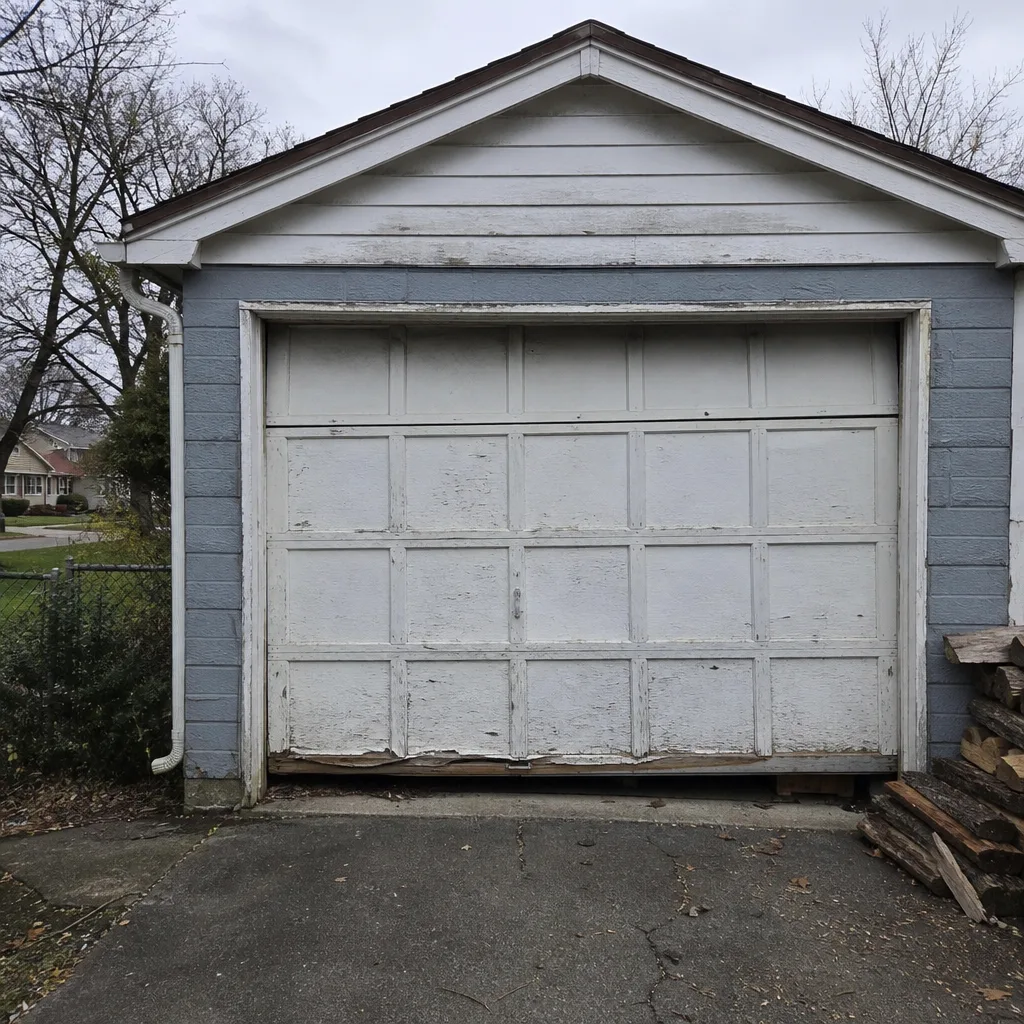 Before
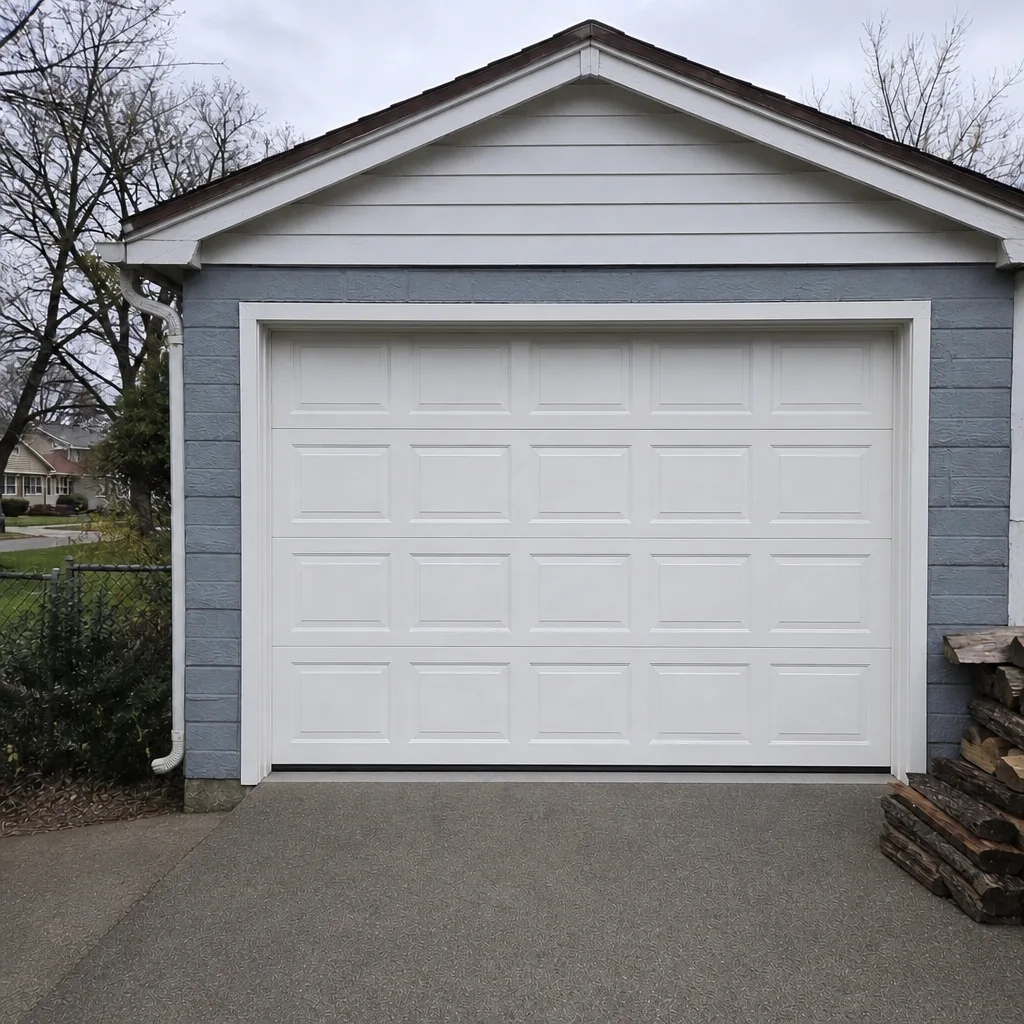 After
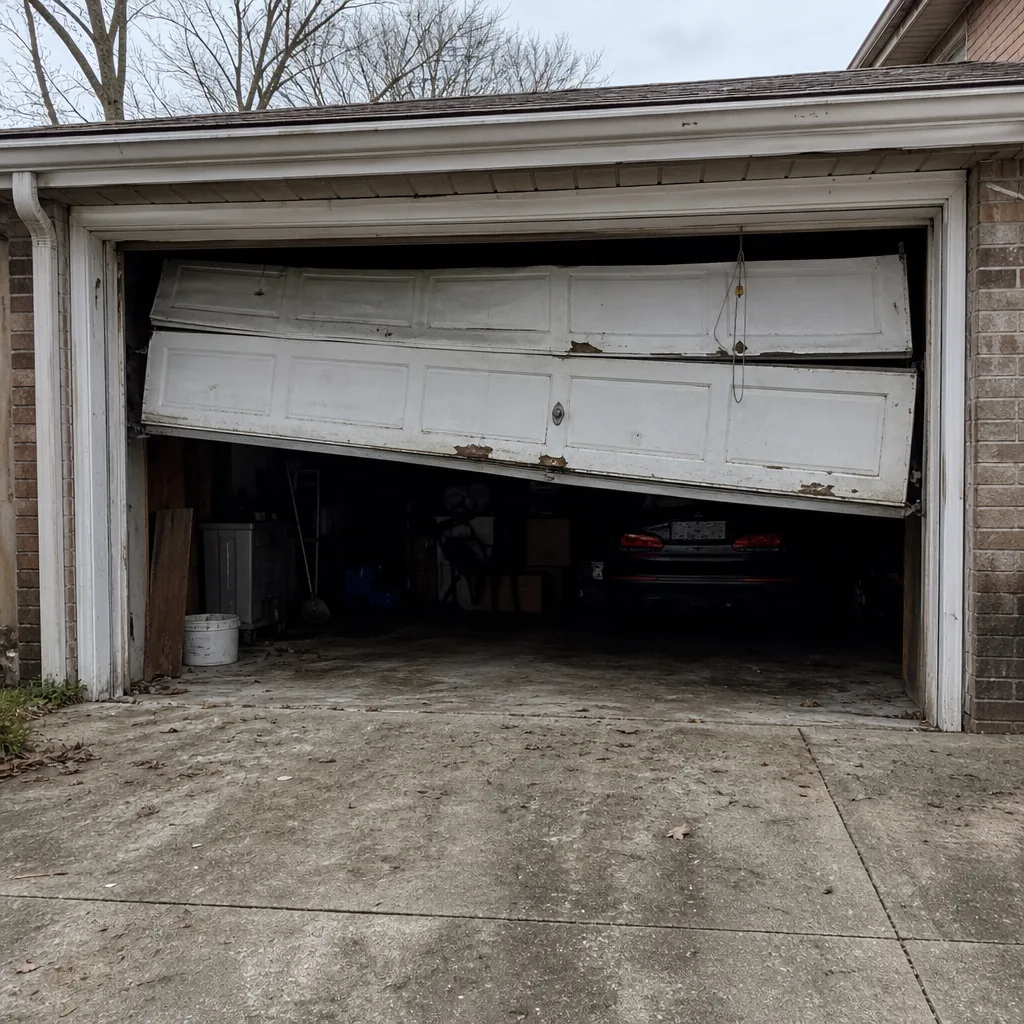 Before
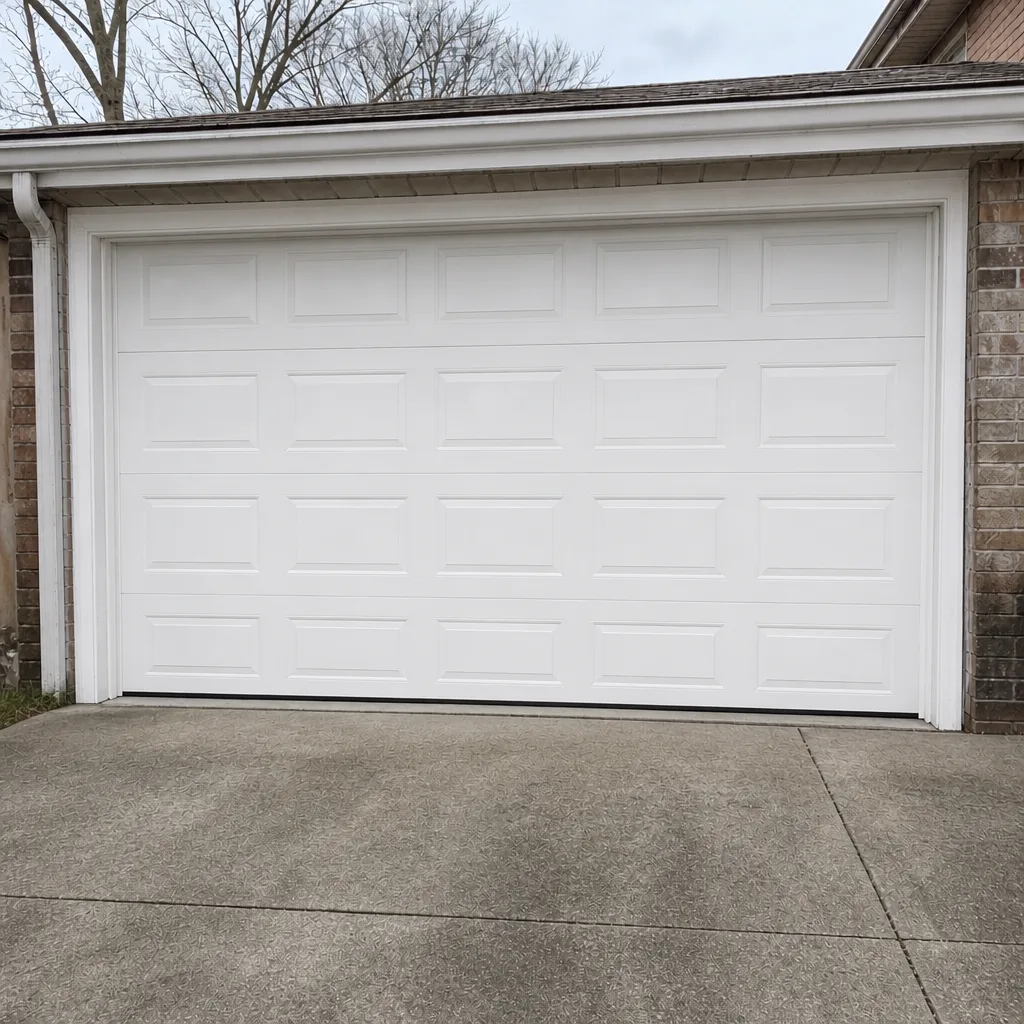 After
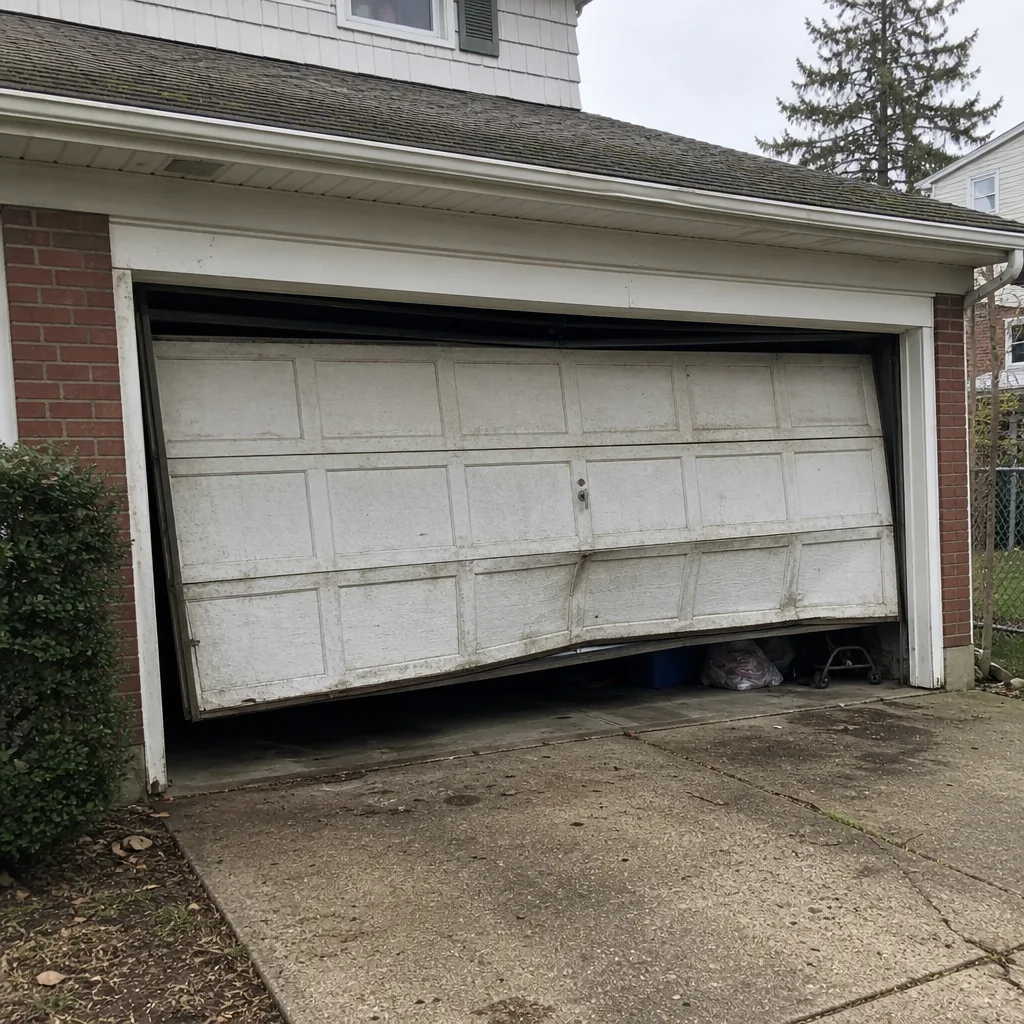 Before
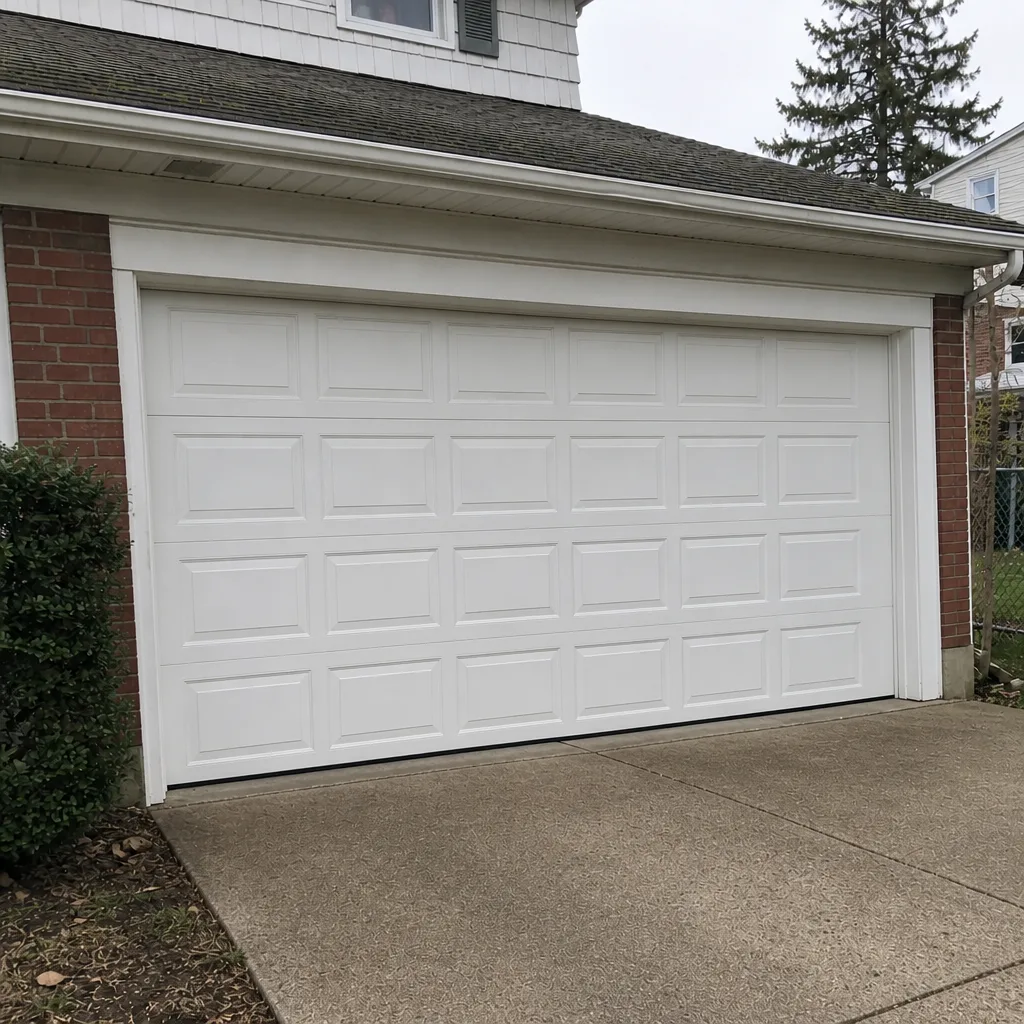 After
Frequently Asked Questions
October is the best single month for a full service in Bedford Park, because it’s the last window before cold contracts the metal and tightens tolerances. A fall service sets the door up for winter, but it doesn’t replace the spring cable check or the summer alignment review. The ideal schedule is a fall service plus your own monthly checks through winter and a visual inspection each spring. Call (866) 850-5634 for a free estimate.
Cold thickens the lubricant on your rollers and tracks, so the door meets more resistance on every cycle. Cold also reduces battery capacity and can stiffen the door’s moving parts. Switching to a cold-rated lubricant in fall and keeping the tracks clean usually restores smooth operation. If the door still strains after that, the springs may be losing tension and should be checked by a specialist. Call (866) 850-5634 for an exact quote – estimates are free.
No. Garage door springs are under extreme tension and adjusting them without the right tools and training is genuinely dangerous, which is why spring work should always go to a trained technician. You can safely test balance by hand and watch for stretched coils, but leave the tensioning to a professional. Spring repair is a precision job that requires matching the right spring to your door’s weight. Call (866) 850-5634 for a free estimate.
A dirty or frosted photo-eye sensor is the most common cause, and wiping both lenses usually fixes it. Winter moisture, frost, and road grime cloud the sensors, and a dirty lens reads as an obstruction. Check that nothing is stored in front of the beam too. If the door still reverses with clean lenses, the sensors may be misaligned or the opener may have a fault. Call (866) 850-5634 for a free estimate.
Twice a year is the practical answer for most doors: once in fall before winter and once in summer when heat and dust dry the lubricant out. If your door gets heavy use or sits in a dusty spot, a third application in spring doesn’t hurt. Use a proper garage door lubricant, not general-purpose oil, and wipe off old residue before applying new. Call (866) 850-5634 if you’d like a professional to check the door’s overall condition.
No. The price is quoted and agreed before any work starts, and the written estimate sets the final price. We assess the door, explain what’s needed, and give you a clear figure before anything is touched. If the job turns out to need more than expected, you’ll hear about it before we proceed. Call (866) 850-5634 for a free estimate.
The Bottom Line
Seasonal garage door care works best when you match the task to the stress. Check spring tension and weatherstripping in October before the cold contracts the metal. Watch lubricant, battery backup, and sensors through winter. Inspect cables and drums in spring after the freeze-thaw cycle. Correct alignment and wooden panel swelling in summer before they set. None of these tasks takes long, and together they cost you a few hours a year. Skip them, and the stress patterns compound until a component fails at the worst possible moment – which, in Bedford Park, is almost always the coldest week of the year. Do the checks, know when to stop and call, and your door will run through every season without a surprise.
Written by the team at Garage Door Repair Bedford Park.